 Contact
 Account
Maintenance Tips for Conventional Engine Oil
Introduction
You don’t need to be a mechanic to keep your engine running smoothly. In fact, ignoring your regular motor oil is the fastest way to turn a $50 maintenance habit into a $5,000 engine replacement.
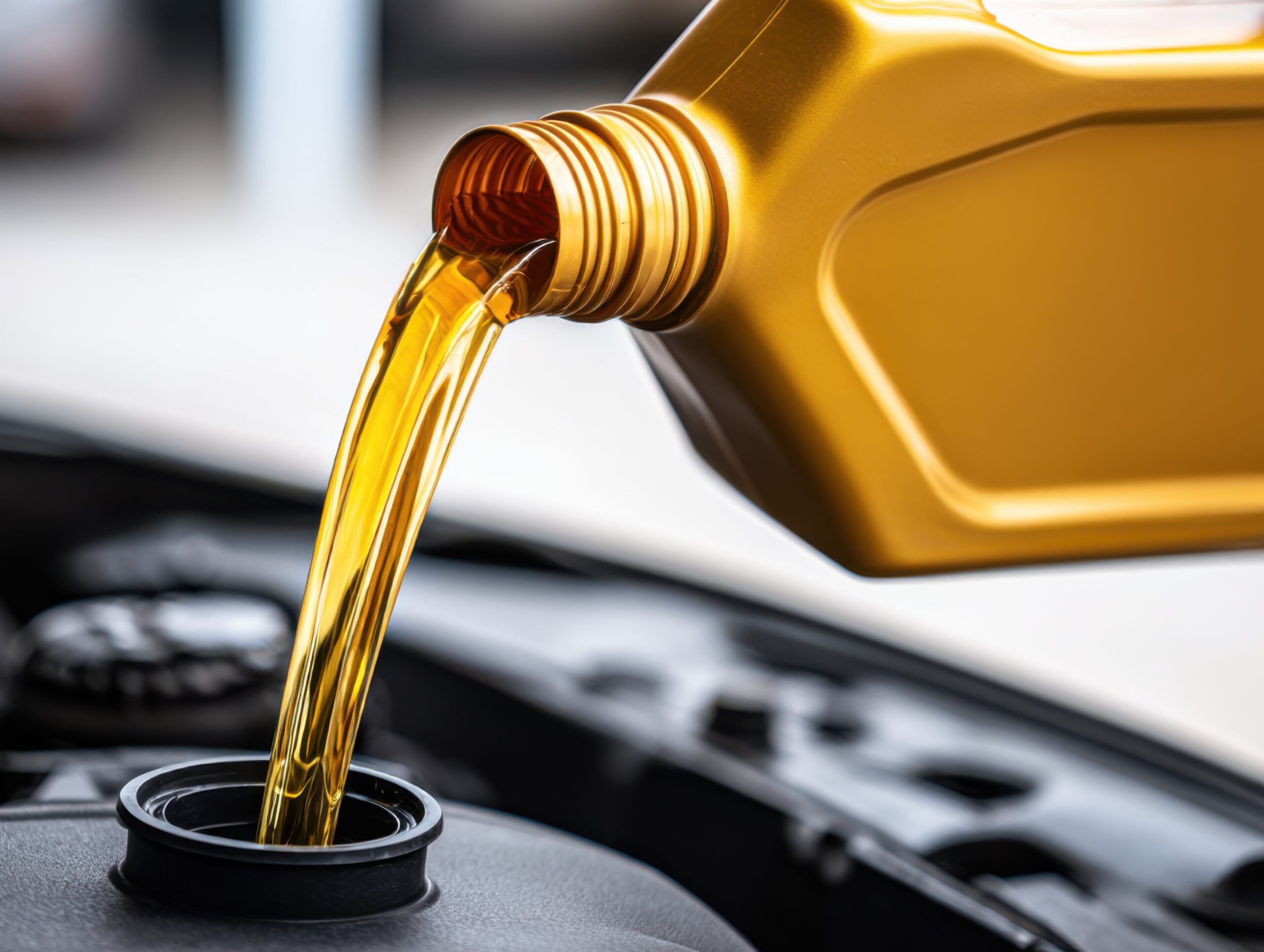
Think of conventional engine oil, often preferred for older, low-mileage vehicles as its consistency works well for older engine seals, as the protective joint fluid of your vehicle. According to automotive manufacturers, this crucial liquid performs massive double duty: it coats moving metal parts so they glide instead of grind, and it absorbs extreme heat to cool the motor.
Popping the hood to check things yourself shouldn’t feel intimidating. By following these simple maintenance tips, you can confidently protect your vehicle’s health and keep your hard-earned cash safely in your wallet.
Always check your vehicle’s OEM before changing engine oil to ensure your selected engine oil matches your engine and vehicle specifications.
Decoding Your Dipstick: How to Check Oil Quality in 60 Seconds
Protecting your engine from a massive repair bill doesn’t require a mechanic’s degree. It simply comes down to knowing how often to check engine oil level manually, ideally, taking five minutes once a month to look under the hood.
To get an accurate reading, grab a paper towel and follow this quick routine:
- Park on level ground.
- Pull and wipe the stick.
- Re-insert and pull again.
- Inspect color and level against the dipstick graduation marks, the small dots or lines indicating your engine’s safe zone.
Beyond just making sure it isn’t empty, reading a dipstick for oil quality and volume reveals if the fluid is wearing out. Fresh oil resembles golden honey, but intense engine heat slowly bakes it over time, causing a heat damage process called oil oxidation. Identifying signs of degraded motor oil is simple: if the fluid looks like thick, black syrup or smells distinctly burnt, its protective benefits are gone.
Don’t Forget the Filter: Your Engine’s Silent Hero
Think of your engine oil like dish soap. The role of detergent additives in conventional oil is to scrub away internal grime as you drive. This continuous cleaning action is vital for preventing engine sludge buildup in high-mileage cars, stopping unburned fuel and dirt from forming a thick, damaging mud that chokes your engine.
Your filter then acts as the garbage can for that debris. A healthy unit specifically captures:
- Metal shavings
- Carbon soot
- Dirt particles
When it clogs, a safety “bypass valve” opens, feeding unfiltered oil back into your engine to keep it from running completely dry.
Leaving an old filter on to save five dollars instantly pollutes your fresh oil. The importance of regular oil filter replacement cannot be overstated; always swap it at every service. Your daily driving habits also place heavy stress on this cleaning system, particularly when dealing with temperature shifts.
Short Trips and Cold Starts: Protecting Your Oil from Heat Damage
Quick morning coffee runs are surprisingly harsh on your car. Cold engines naturally create internal water condensation. If you only drive a few miles, the engine never reaches its normal operating temperature to safely boil off that moisture. This hidden water explains the heavy impact of frequent short trips on oil life.
Summer traffic jams create the opposite problem by trapping intense heat under the hood. Routinely replacing your fluid is the secret to protecting engine components from thermal breakdown, which is simply mechanic-speak for oil getting roasted until it stops working.
Always check your manual to find the best conventional oil for extreme weather conditions, since harsh winters and blazing summers require different fluid thicknesses. Once you select the perfect match for your climate, managing your oil at home becomes a straightforward process.
Mixing Brands and DIY Basics: Managing Your Oil at Home
Standing in the auto parts aisle, you might wonder, can you mix different brands of conventional oil? Yes, provided you match the viscosity, meaning how thick the fluid is. Just like syrup flows differently than water, matching the specific thickness printed on your engine cap is vital for reducing friction and internal engine wear.
Taking on this maintenance yourself saves money, but you must first understand the steps to perform a DIY oil change at home. Before crawling underneath your vehicle, always gather these five essential tools:
- A wrench
- An oil pan
- A funnel
- A new filter
- The correct oil
Crucially, proper drain plug safety means never over-tightening that bottom bolt when finishing up, since stripped metal threads create expensive leaks. Mastering these at-home basics sets the foundation for a highly reliable vehicle.
Always check your vehicle’s OEM before changing engine oil to ensure your selected engine oil matches your engine and vehicle specifications.
Your Simple Routine for Engine Longevity
You no longer have to guess what happens under your hood. Start tomorrow by locating your dipstick for a quick, five-minute monthly check. This simple routine brings incredible peace of mind. Consistently maintaining standard motor oil is your best defense against premature engine wear.
By applying these maintenance practices, you actively boost your car’s lifespan, preserve its trade-in value, and easily avoid the tow truck. Keep a small log of your service dates to track your progress. With regular care, premium conventional motor oil delivers powerful, lasting protection for your daily drive.