 Contact
 Account
How to Apply Wood Sealer for a Natural Look
Introduction
If you love the way real wood looks, its grain, texture, and natural color, a natural finish wood sealer is the best way to protect it without making it look “coated.” The right product helps prevent water intrusion, slows UV fading, and reduces surface checking, all while keeping the finish clear.
This guide walks through how to choose and apply a clear wood sealer for a natural look, with practical tips for common projects like decks, fences, siding, and cedar shakes. Along the way, we’ll use Presidential Shingle Oil as a featured example: a penetrating, clear wood sealer designed to bring out the natural color of wood while protecting it from UV and water damage.
What Is a Natural Finish Wood Sealer?
A natural finish wood sealer is a protective treatment that’s designed to preserve the wood’s original appearance, not mask it with color or a thick surface film. Many clear sealers work by penetrating into the wood fibers, helping repel water while allowing the wood to look and feel like wood.
When you’re aiming for a natural wood finish, a penetrating product can be a better fit than a hard, glossy topcoat. Film-forming finishes can look great in the right setting, but they may peel or crack over time when used outdoors, especially on horizontal surfaces exposed to sun and standing water.
Key characteristics of natural finish sealers often include:
- Clear or nearly clear appearance (a true clear wood finish)
- Protection from moisture and weathering
- UV protection (important outdoors)
- A look that highlights grain and tone instead of covering it
Why Use a Clear Wood Sealer for a Natural Look?
A quality clear wood sealer protects while keeping wood attractive. For many projects, it’s the best way to extend service life without changing the look.
- Preserves natural color and grain: Clear products are made to enhance, not hide, what you already like about the wood.
- Helps defend against water damage: Water is one of the biggest drivers of swelling, cupping, and rot when it’s allowed to soak in repeatedly.
- Helps reduce UV damage: Sunlight breaks down lignin in wood and contributes to graying and surface fiber loss.
- Versatile across projects: Used on everything from exterior wood to interior pieces when a natural look is the goal.
Featured Option: Presidential Shingle Oil (Penetrating Clear Wood Sealer)
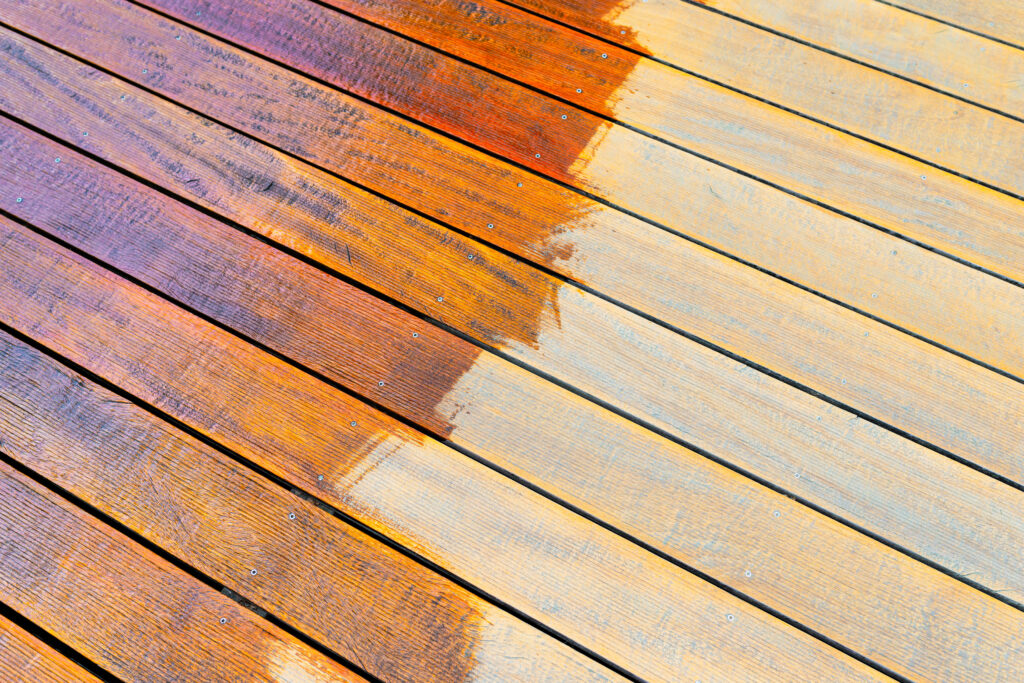
If you’re specifically trying to achieve a natural look on exterior wood, a penetrating product like Presidential Shingle Oil is designed for that job. It’s a clear wood sealer that brings out the natural color of wood while offering protection from UV and water damage.
Key benefits (as designed and described by the product) include:
- Penetrating protection (not a hard film): It soaks into the wood rather than forming a hard film layer on top.
- Low VOC: A lower-VOC option for many wood-protection needs.
- Low odor: Helpful when working around homes, patios, and living spaces.
- Indoor and outdoor use: Useful for a wide range of wood projects where a clear, natural appearance is preferred.
- Landscaping-friendly when used carefully: Often chosen for projects near plants; protect vegetation during application and follow label directions.
- Pet-conscious when fully dry: When fully dry/cured, it’s described as safe around pets, always allow full dry time before letting pets on treated surfaces.
Common uses include decks, fences, log cabins, wood siding, cedar shake shingles, wood roofing, and even outdoor furniture, anywhere you want a natural wood finish with clear protection.
Types of Natural Finish Wood Sealers (and Where Shingle Oil Fits)
Understanding the main sealer types helps you pick the best match for your project.
- Penetrating oil sealers (including shingle oil): Soak into wood fibers; excellent for outdoor wood where you want a natural look. Presidential Shingle Oil falls into this category.
- Water-based clear sealers: Typically dry faster and clean up more easily.
- Film-forming clear finishes: Varnishes and many urethanes create a surface film; great for some applications but can require more intensive prep when they fail outdoors.
Choosing the Right Sealer for Your Project
Use these criteria to choose a sealer that matches your job and expectations:
- Exposure: Full sun and rain call for strong UV and water protection.
- Surface orientation: Horizontal surfaces (decks, rail caps) take more abuse than vertical ones (fences, siding).
- Desired maintenance style: Penetrating sealers are often easier to refresh because they don’t rely on a brittle surface film.
- Indoor vs. outdoor: For indoor projects, odor and ventilation may be bigger factors; for outdoor projects, UV and water protection dominate.
- Wood species: Softwoods like cedar and pine, and porous woods like shakes, often do well with penetrating products.
Where You Can Use a Clear Wood Sealer (Ideas by Project)
A clear wood finish isn’t just for decks. Here are common surfaces where a natural finish wood sealer is frequently used:
- Decks and railings: Improve water repellency and slow sun-related fading.
- Fences and gates: Help reduce weathering while keeping wood looking natural.
- Log cabins and wood siding: Maintain a natural look while improving resistance to rain and sun.
- Cedar shake shingles and wood roofing: Penetrating options like shingle oil are commonly selected for these applications.
- Outdoor furniture: Keep a natural appearance with clear protection.
- Interior wood: When a clear, natural finish is desired, ensure proper ventilation and confirm the product is appropriate for interior use.
Preparing Wood for a Natural Finish
Preparation is the difference between a finish that lasts and one that disappoints. Plan to spend real time here.
1) Check moisture and weather
Wood should be dry enough to accept a penetrating sealer. Avoid applying right after rain or pressure washing, and avoid extreme heat or direct blazing sun if the product directions warn against it.
2) Clean the surface
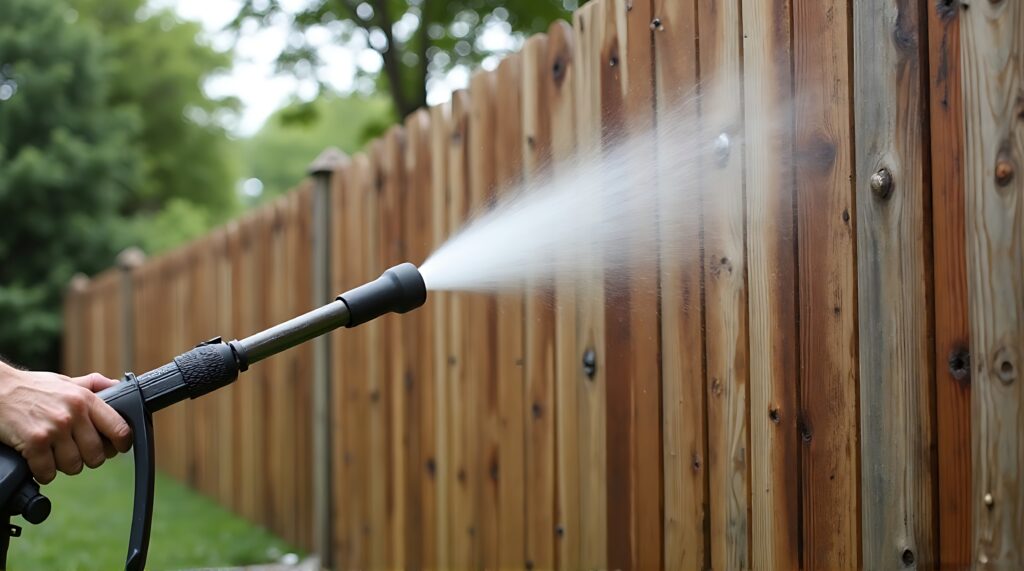
Remove dirt, mildew, chalking, and old residue. On exterior wood, a proper wood cleaner/brightener can help restore a more uniform look. Rinse well and allow the surface to dry fully.
3) Sand (when needed)
Light sanding helps open the grain and smooth fuzz on weathered wood. For many projects, a light sanding with fine-to-medium grit is enough. Remove dust thoroughly afterward.
4) Protect nearby materials
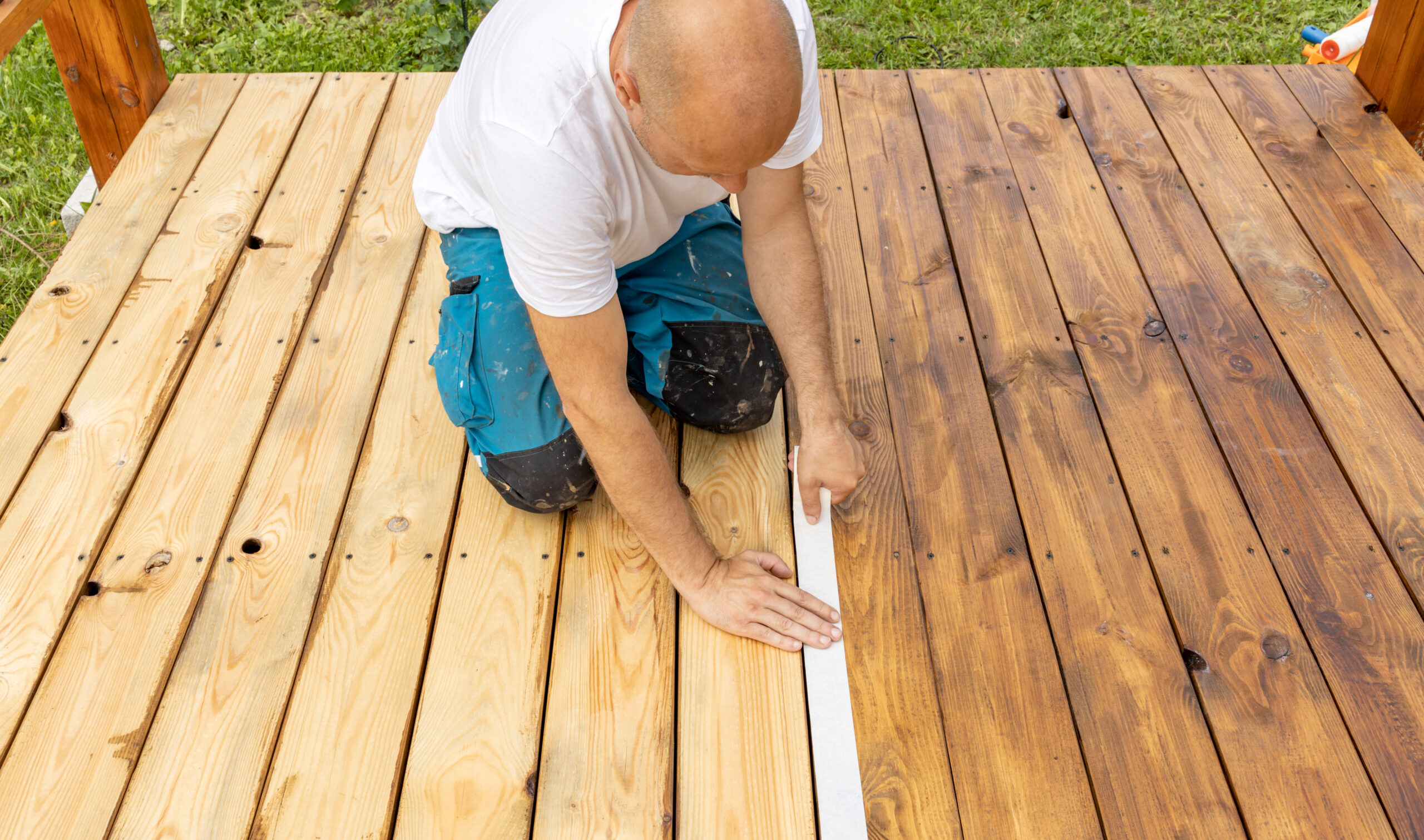
Mask off adjacent surfaces.
Step-by-Step: How to Apply a Wood Sealer for a Natural Look
The exact steps vary by product, but this process works well for most penetrating clear sealers and shingle oils.
Tools and materials
- Clear wood sealer (example: Presidential Shingle Oil)
- Quality brush, stain pad, or sprayer (plus back-brush/back-roll if spraying)
- Cleaner/brightener (as needed)
- Sandpaper (as needed)
- Drop cloths and painter’s tape
- Gloves and eye protection
1) Stir (don’t shake)
Mix the product thoroughly so protective ingredients are evenly distributed. We recommend stirring in our 1 gallon pails. Typically, the action of pouring and brushing/spraying/rolling out of our 5 gallon pails and 55 gallon drums is sufficient for application.
2) Apply in manageable sections
Work with the grain and maintain a wet edge. On decks, do a few boards at a time. On siding or fences, complete a section before moving on.
3) Aim for penetration, not build
With a penetrating product like shingle oil, you’re looking for even absorption, not a thick layer sitting on top. Apply evenly, and follow the label guidance about how long to let the sealer soak in and whether to wipe off excess.
4) Watch for runs and uneven absorption
On vertical surfaces, check for drips. On porous areas, you may see “dry spots” as wood drinks in the sealer, touch up as directed so the finish looks uniform.
5) Allow full dry time (especially before pets and foot traffic)
Dry time varies with temperature, humidity, and wood porosity. Keep people, furniture, and pets off the surface until fully dry/cured per the product directions. Shingle oil dry time is typically 24-48 hours.
Tips for the Best Natural Wood Finish
- Do a small test area first: Even a clear wood sealer can slightly warm or enrich color. Testing prevents surprises.
- Don’t over-apply: Heavy application can lead to sticky areas or uneven sheen. Penetrating products perform best when applied as directed, with excess managed appropriately.
- Keep maintenance simple: One advantage of penetrating options like Presidential Shingle Oil is that refresh coats are often simpler than stripping a failing film finish.
- Prioritize UV + water protection outdoors: For decks, fences, shakes, and siding, those two protections matter most for appearance retention.
Maintenance and Reapplication
No exterior wood finish is permanent. Plan for periodic inspection and maintenance to keep your clear protection working.
- Inspect seasonally: Look for drying, fading, or water no longer beading on the surface.
- Clean before refreshing: Light cleaning helps new sealer bond and absorb evenly.
- Reapply as needed: High-exposure horizontal surfaces usually need attention more often than vertical surfaces.
Common Mistakes to Avoid
- Sealing damp wood: Trapped moisture can cause uneven absorption and reduced performance.
- Skipping prep: Dirt, mildew, or old residue prevents even penetration.
- Applying too thick: Penetrating sealers aren’t meant to build a heavy surface layer.
- Ignoring landscaping protection: Cover plants and clean up drips promptly, even when using products intended to be landscaping-friendly.
Frequently Asked Questions
Will a clear wood sealer change the color of my wood?
Most clear products will slightly enrich the tone, often described as “bringing out the natural color.” Test a small area first so you know what to expect.
Is shingle oil only for shingles?
No. Despite the name, shingle oil is commonly used as a penetrating sealer on many exterior wood surfaces where a natural look is desired. Presidential Shingle Oil can be used on decks, fences, siding, log cabins, cedar shakes, wood roofing, and more (follow label directions for specific substrates and application conditions).
Can I use it indoors?
Some penetrating clear sealers are suitable for indoor use, especially when you want a natural look and low odor. Always ensure good ventilation and follow the product instructions for interior applications.
Is it safe around pets and landscaping?
Many homeowners choose low-odor, low-VOC options for projects near living spaces and gardens. Presidential Shingle Oil is safe around landscaping and is safe for pets once fully dried.
Conclusion: Protect Wood Naturally, Without a Heavy Film
A natural finish wood sealer is the simplest way to keep wood looking like wood while improving resistance to weather. If your priority is a natural wood finish, with clear protection that doesn’t form a hard film, consider a penetrating option such as Presidential Shingle Oil. With good prep, careful application, and routine maintenance, you can preserve the wood’s natural character on everything from decks and fences to cedar shakes and wood siding.