 Contact
 Account
Is Oil-Based Wood Sealer Safe to Use Around Pets and Family?

Introduction
When sealing wood around your home, safety matters just as much as performance. Many homeowners searching for a non toxic wood sealer want long-lasting protection without putting pets, children, or the environment at risk. Oil-based wood sealers, including traditional shingle oils, often raise questions about toxicity, odors, and long-term safety.
This guide takes an open and honest look at oil-based wood sealers. You will learn when they are safe to use, when they are not, and how non-toxic or low-toxicity options compare to conventional products. We will also cover best practices to help you protect your wood while keeping your household safe.
If toxicity is a concern to you, it is very important with any product to do your research and ensure you are applying safely and appropriately.
Understanding Oil-Based Wood Sealers
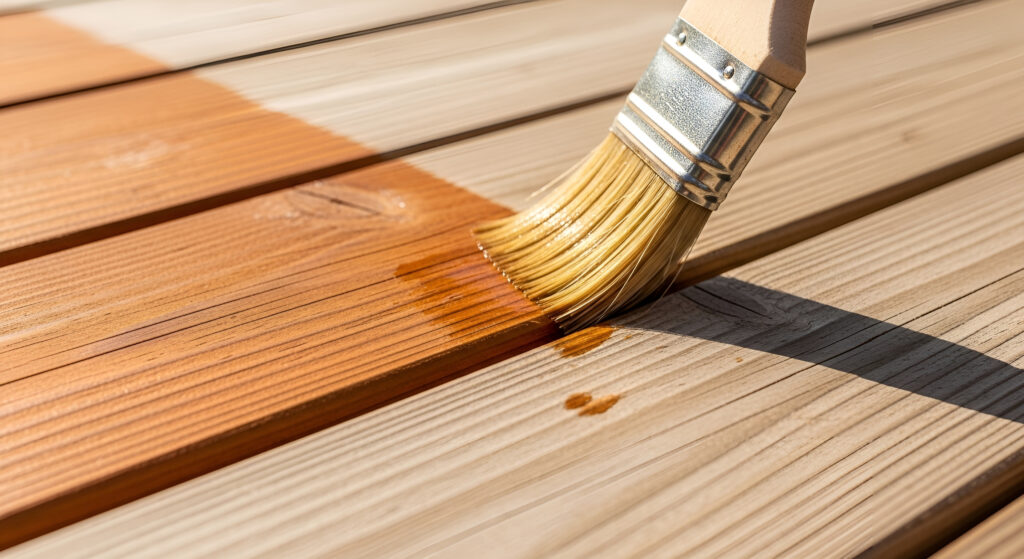
Oil-based wood sealers are designed to penetrate deeply into wood fibers. Unlike surface coatings that form a film, these sealers soak in and help protect wood from moisture, UV exposure, and weathering. They are commonly used on shingles, fences, siding, decks, and other exterior wood surfaces.
Some oil-based sealers may contain petroleum-based solvents, which can produce strong odors and release volatile organic compounds (VOCs) during application and drying. This is where safety concerns usually arise, especially for families with pets or young children.
Not all oil-based products are the same. Some are formulated with lower VOCs and fewer harmful additives, making them a safer option once properly cured.
Is Oil-Based Wood Sealer Safe to Use Around Pets and Family?
The short answer is: it depends on the product and the timing.
Oil-based wood sealers are typically not 100% safe when wet. During application and drying, fumes and direct contact can be harmful to pets and children. However, for severe harm, it usually takes direct and consistent contact and many oil-based sealers are considered safe when fully dry and cured, as the solvents have evaporated and the product has bonded with the wood.
This distinction is critical when evaluating whether an oil-based product can be considered a safe wood sealer for pets and kids.
Non-Toxic Oil-Based Wood Sealers: What Does “Non-Toxic” Really Mean?
Many companies describe their products as non-toxic or eco-friendly. However, the term non-toxic wood sealer can have different meanings depending on context. Understanding these definitions helps set realistic expectations.
Safe When Wet vs Safe When Dry
- Safe when wet: Very few wood sealers fall into this category. Most oil-based products are not safe for direct contact during application.
- Safe when dry: Many low-VOC and carefully formulated oil-based sealers are considered safe once fully cured.
Safe for Consumables
Some finishes are marketed as food-safe once cured. This does not apply to most shingle oils or oil-based exterior sealers. These products should not be used in garden boxes, raised beds, or surfaces that come into contact with edible plants.
Low Toxicity vs Zero Toxicity
A product labeled as non toxic or eco-friendly often means it has reduced toxicity, not zero risk. A low VOC wood sealer or low odor wood sealer minimizes fumes and environmental impact, but still requires care when handling.
Presidential Shingle Oil Overview
Our Shingle Oil is an oil-based, low VOC wood sealer designed to protect shingles and exterior wood surfaces.
Presidential Shingle Oil:
- Penetrates deeply to enhance water and UV resistance and extend the life of wood exposed to harsh weather conditions.
- Is considered non-toxic.
- Is odorless by nature, minimizing dangerous fumes.
It is important to be clear about its safety profile:
- Presidential Shingle Oil is not 100% safe when wet. Direct contact should be avoided during dry and cure time.
- Once fully dry and cured, it is safe around pets and children.
- It should not be used in garden boxes with consumables.
- Small amounts that come into contact with surrounding landscaping will not cause damage.
This transparency allows homeowners to make informed decisions and use the product responsibly.
Benefits of Non-Toxic Wood Sealers
Choosing a non toxic sealer for wood or a lower-toxicity oil-based option offers several advantages:
- Reduced fumes and irritation during application
- Safer living environment once cured
- Better suitability for homes with pets and children
- Improved environmental impact compared to conventional sealers
For exterior projects, a non toxic exterior wood sealer or non toxic outdoor wood sealer can still deliver strong waterproofing and UV protection when used correctly.
Comparing Presidential Shingle Oil with Toxic Alternatives
Traditional wood sealers may rely on heavy solvents and high VOC levels. These products often have strong, lingering odors and longer off-gassing periods.
Compared to more toxic alternatives, Presidential Shingle Oil:
- Is odorless by nature, minimizing fumes
- Penetrates instead of forming a surface film
- Requires fewer reapplications over time
Odorless and Low Odor Wood Sealers
Many homeowners search for an odorless wood sealer or low odor wood sealer. In reality, most oil-based products will have some odor when wet. However, low-VOC and eco-friendly formulations, such as Presidential Shingle Oil, dramatically reduce how long odors linger.
If odor sensitivity is a concern, consider:
- Applying sealers during mild weather
- Keeping windows open for ventilation
- Allowing extended curing time before reintroducing pets or children
Safe Wood Sealing Practices
No matter which product you choose, safe application practices are essential.
Best Practices for Application of Shingle Oil
- Apply outdoors or in well-ventilated areas only
- Wear protective gloves and follow label instructions
- Keep pets and children away until the surface is fully dry and cured
- Avoid application near edible plants
Landscaping and Environmental Considerations
Small drips or runoff will not damage landscaping. However, direct application near vegetable gardens or herbs should be avoided.
Safe Wood Sealer for Pets and Kids
A wood sealer can be considered safe for pets and children when:
- It is fully cured
- It is used only on appropriate surfaces
- Application guidelines are followed carefully
Oil-based products like shingle oil can be a reliable, long-lasting option once dry.
Conclusion
Oil-based wood sealers are not inherently unsafe, but they must be used responsibly. Shingle oil is safe when dry around pets and children when applied correctly. It should never be used in areas that come into contact with consumables.
By understanding the true meaning of non-toxic claims, choosing the right product, and following best practices, you can protect your wood while keeping your family, pets, and outdoor spaces safe.
If you are looking for a durable, eco-conscious approach to wood protection, a carefully selected non toxic wood sealer may be the right balance between performance and safety.