 Contact
 Account
Protecting Steel During Long-Term Storage
Introduction
Steel is a vital material in many industries. Its strength and versatility make it indispensable. However, steel is vulnerable to corrosion over time.
Long-term storage poses significant challenges. Moisture and oxygen are the main culprits of steel degradation. Without proper protection, steel can lose its integrity.
Effective steel storage solutions are essential. They prevent corrosion and maintain the material’s quality. This guide will explore strategies for protecting steel during long-term storage, with a focus on practical steel corrosion prevention using rust preventative products designed for storage environments.
We’ll cover climate control, protective coatings, rust preventative sprays, and more. These methods help ensure steel remains in top condition, including high-surface-area items such as steel coils, sheet, plate, and fabricated components. Understanding these techniques can save costs and extend steel’s lifespan.
Whether you’re a warehouse manager or construction professional, this guide is for you. Learn how to safeguard your steel investments effectively.
Understanding the Risks: Why Steel Needs Protection
Steel is prone to rust, especially when exposed to damp conditions. Rust weakens the material, compromising its structural integrity. Understanding why steel corrodes is the first step in prevention.
Several factors contribute to steel’s vulnerability. Common risks include:
- Exposure to moisture and oxygen
- Temperature fluctuations causing condensation
- Contact with corrosive chemicals
Each factor accelerates the corrosion process, reducing the lifespan of the steel. By identifying these risks, you can implement effective preventative measures.
Corrosion doesn’t just lead to structural issues. It can also result in costly repairs and replacements. Addressing risks early minimizes potential damage. Protecting steel during long-term storage is crucial for maintaining its value and performance over time. With the right strategies, you can significantly reduce the risk of corrosion.
Preparing Steel for Storage: Cleaning and Inspection
Before storage, cleaning steel is essential to remove dirt and contaminants. Debris and grime can accelerate corrosion if left on the surface. Use appropriate solvents and tools that won’t damage the metal.
Regular inspections are critical before and during storage. They help detect early signs of wear or damage. Check for:
- Surface stains or debris
- Scratches or dents
- Existing rust spots
Thorough examination allows you to address issues before they worsen. Timely intervention can save the material from degradation. Take care to examine corners and undersides, as these areas are often overlooked.
A systematic approach is vital. Document inspection results for future reference. Keeping records helps monitor condition changes over time. A well-documented history aids in understanding any emerging patterns of damage. This process prepares the steel for long-term storage under optimal conditions.
Choosing the Right Steel Storage Solutions
Selecting the appropriate steel storage solutions is key to maintaining material integrity. The choice depends on the type of steel and intended storage duration. Customized solutions often yield the best results.
Consider environmental factors when evaluating storage options. Proximity to harsh climates or pollution sources increases corrosion risk. Opt for climate-controlled environments to mitigate these risks effectively.
There are various storage solutions tailored to steel:
- Indoor storage spaces with temperature and humidity regulation
- Outdoor storage with protective covers and ventilation
- Utilization of racks and pallets to keep steel elevated
Each option has benefits and considerations that must be weighed. Indoor storage offers the best protection but requires more investment. Outdoor options are cost-effective but need more frequent maintenance checks.
Effective storage planning involves more than selecting a warehouse or yard. It requires an understanding of the specific needs of your steel. Aligning storage methods with steel properties ensures long-term preservation and reduces associated risks.
Climate Control and Environmental Management
Proper climate control is crucial in steel storage. Temperature and humidity directly impact corrosion. Climate-controlled facilities help keep these elements steady.
Implementing environmental management strategies can significantly reduce risks. Monitoring devices, such as humidity sensors, are essential tools. They alert managers to adverse conditions that need addressing.
Effective environmental strategies may include:
- Installing humidity control systems
- Using desiccants to absorb excess moisture
- Ensuring adequate ventilation in storage areas
These measures help in maintaining a stable environment. They minimize opportunities for condensation and rust formation. Consistent climate management is an investment in steel’s longevity.
Failing to manage environmental factors can lead to rapid deterioration. Investing in technology that monitors and adjusts conditions pays off in reduced maintenance costs. These systems ensure that stored steel remains in optimal condition over the long term.
Protective Coatings, Rust Preventative Products, and Corrosion Inhibitors
Protective coatings serve as a vital barrier between steel and the elements. Options include paints, oils, waxy films, and specialized treatments. For long-term manufacturing storage, dedicated rust preventative products are often the most efficient steel storage solutions because they are engineered to form a continuous protective film, displace moisture, and resist handling damage.
Corrosion inhibitors add an extra layer of defense. They are chemical compounds that slow down rust formation. These inhibitors can be applied in liquid form, incorporated into a coating, or delivered as vapor-phase corrosion inhibitors (VCIs) inside enclosed packaging.
Benefits of using protective measures include:
- Extending the lifespan of steel
- Reducing maintenance and replacement costs
- Preserving material quality
In storage contexts, rust preventative spray is a common choice because it can be applied quickly, reaches complex geometries, and is well suited to large volumes of material. It is particularly useful for edges, cut ends, strapping points, and other high-risk areas where corrosion often starts.
Coatings should be inspected regularly for wear and damage. Even the best coatings need maintenance to remain effective. Combining coatings with corrosion inhibitors creates a robust protection strategy. These measures safeguard steel, ensuring it remains functional and valuable during long-term storage.
Rust Preventative Products for Long-Term Storage (Including Steel Coils)
When storage duration is measured in months rather than days, the protection strategy should be treated as a product selection and process control problem, not just a housekeeping task. Rust preventative products intended for storage are formulated to provide predictable protection over a defined exposure window and can be integrated into receiving, staging, and outbound workflows.
Common categories used in steel corrosion prevention programs include:
- Rust preventative sprays that leave a thin, protective film and can be applied to coils, sheet, plate, bar, and fabricated parts.
- Dip or fog-applied rust preventatives for parts that can be batch-treated and sealed quickly.
- VCI papers, films, and emitters to protect steel inside wrapped or crated systems where vapor-phase inhibition can reach difficult-to-coat interfaces.
- Protective wraps and barrier packaging (often combined with desiccants) to minimize moisture ingress during long dwell times or shipping transitions.
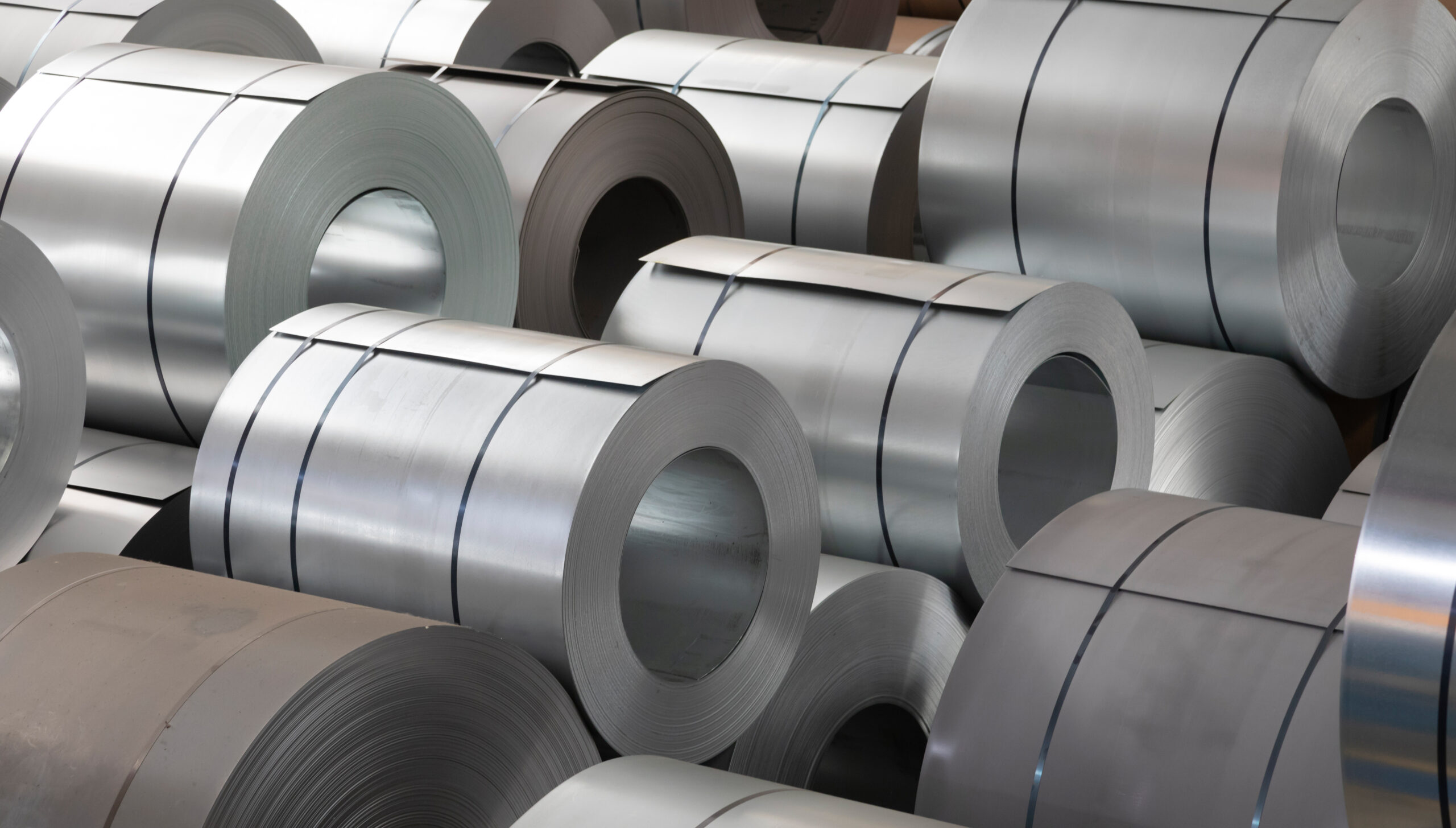
For steel coils, storage protection typically fails at exposed edges, trapped moisture between laps, or damage points created during handling. Applying a rust preventative spray to vulnerable surfaces, then using appropriate wrapping and edge protection, can reduce the likelihood of localized corrosion that later becomes a quality claim or rework event.
When promoting a storage-grade rust preventative in your operation, tie the product to measurable outcomes: fewer rust-related holds, reduced scrap, less re-cleaning prior to processing, and more consistent surface condition at the time of use.
Best Practices for Long-Term Steel Corrosion Prevention
Preventing corrosion requires a proactive and comprehensive approach. Start by identifying potential sources of moisture and contaminants. Ensuring clean and dry storage conditions is essential.
Regular checks are key to early problem detection. Implement a routine inspection schedule focusing on signs of rust, damage, and environmental changes. Documentation of these inspections helps in managing long-term conditions.
Consider these best practices for corrosion prevention:
- Use desiccants to minimize moisture.
- Ensure proper air circulation in storage areas.
- Avoid direct metal-to-metal contact to prevent galvanic corrosion.
As part of your steel storage solutions, standardize how rust preventative products are applied. Define surface-prep requirements, coverage targets, and reapplication intervals based on storage duration and handling frequency. If steel will later be welded, painted, or coated, select a rust preventative that matches downstream requirements and specify removal or compatibility steps as part of the work instructions.
These practices aim to reduce corrosion risk by managing environmental factors effectively. By prioritizing prevention over remediation, you save on costs and preserve steel integrity. Consistent application of these methods safeguards your investment, extending the material’s life while maintaining its quality for future use.
Regular Maintenance, Inspection, and Documentation
Regular maintenance and inspections are crucial in spotting early signs of corrosion. Conduct thorough checks on a consistent schedule, paying attention to any changes in the steel’s condition. Staying vigilant prevents small issues from escalating into costly damages.
Accurate documentation supports effective management of steel storage. Record each inspection, noting any signs of wear or corrosion. Well-maintained records help in evaluating the performance of storage strategies over time.
Consider these key maintenance practices:
- Schedule frequent inspections.
- Document findings and corrective actions.
- Review and update storage practices as needed.
This structured approach ensures steel remains in optimal condition while facilitating timely interventions to address potential problems.
Conclusion: Ensuring Longevity and Value
Protecting steel during long-term storage is essential for preserving its quality and utility. A proactive approach, involving thoughtful storage, rust preventative products, and regular checks, can significantly extend the lifespan of steel materials.
Adopting these practices not only safeguards against corrosion but also retains the steel’s value over time. By implementing these strategies and standardizing the use of a storage-grade rust preventative spray in your process, you help ensure that steel products maintain their strength and reliability from receipt to point-of-use, contributing to your business’s success and efficiency.