 Contact
 Account
Essential Summer Car Maintenance Tips
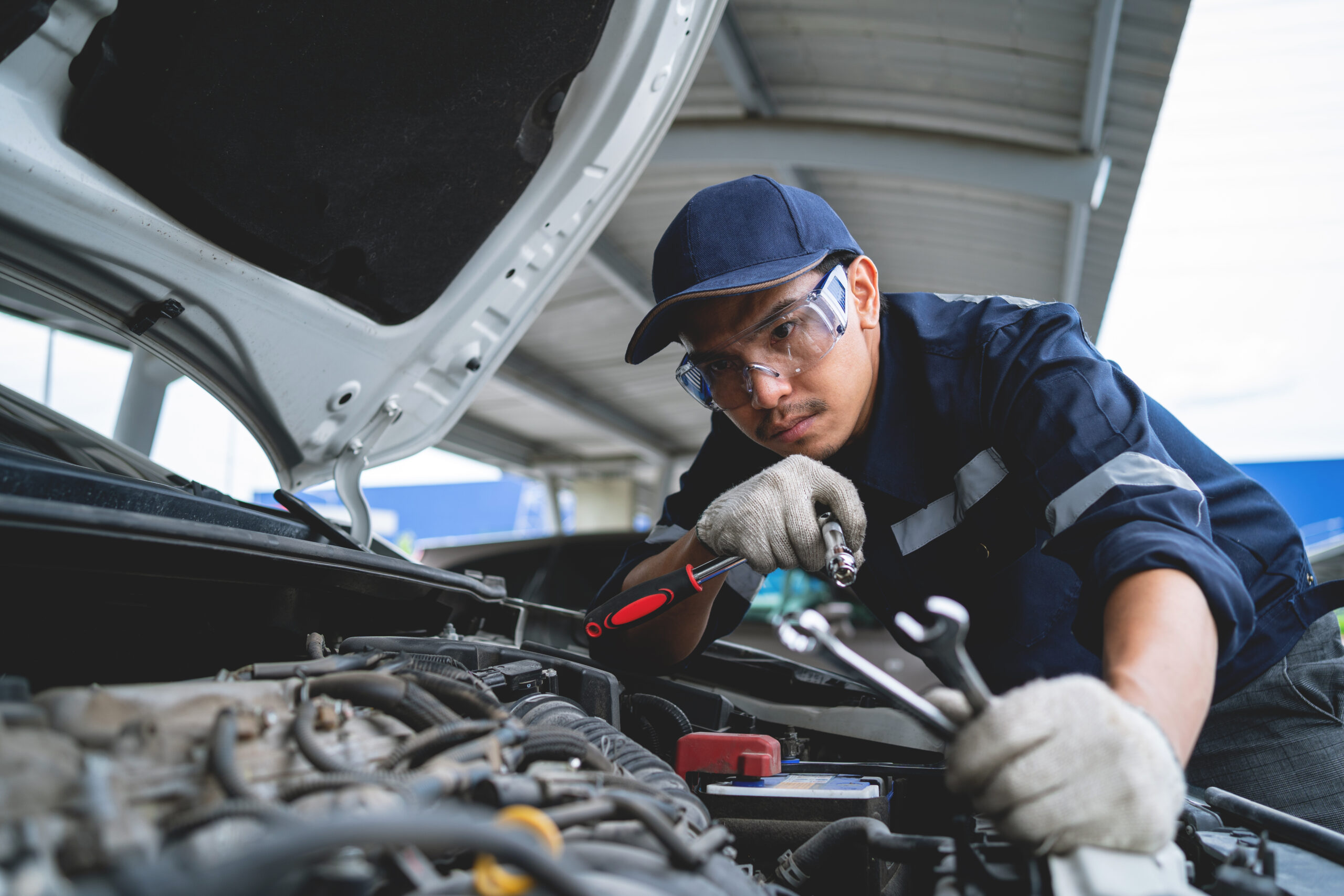
Summer is road trip season, errand season, and “why is my steering wheel so hot?” season. Higher temperatures put extra stress on your vehicle, especially the battery, tires, fluids, and car cooling system. A little preventive care can help you avoid breakdowns, protect your budget, and keep every drive more comfortable.
Use these summer car maintenance tips as a practical checklist before the hottest weeks arrive, before a long trip, or anytime your vehicle feels like it is working harder than usual.
1. Check Your Coolant Level and Condition
Your car cooling system works hardest in summer. It helps regulate engine temperature by moving coolant through the radiator, engine, hoses, and other components. If the coolant is low, old, contaminated, or mixed incorrectly, your engine may be more likely to overheat.
Before summer driving ramps up, check the coolant reservoir when the engine is completely cool. The level should sit between the minimum and maximum marks. If it is low, use the coolant type recommended in your owner’s manual.
Also look at the coolant’s color and clarity. While coolant color varies by formula, it should generally look clean, not rusty, oily, sludgy, or full of floating debris. If it looks dirty or you cannot remember the last time it was serviced, it may be time for a cooling system inspection or flush.
Quick safety note: Never remove the radiator cap when the engine is hot. Pressurized coolant can spray out and cause serious burns.
2. Inspect Radiator Hoses and Belts
Heat can make rubber parts crack, swell, soften, or become brittle. That means summer is a good time to inspect radiator hoses, heater hoses, and visible belts.
Look for warning signs such as:
- Cracks or splits
- Bulging or swollen hose sections
- Leaks around hose connections
- Soft, spongy, or overly hard rubber
- Frayed or glazed belts
- Squealing sounds from the belt area
A small hose problem can turn into a major roadside issue if it fails while you are driving. Replacing worn hoses and belts before they break is often much easier than dealing with an overheated engine on a hot afternoon.
3. Test the Battery Before Extreme Heat Hits
Many drivers associate battery trouble with winter, but summer heat can be just as damaging. High temperatures can accelerate internal battery wear and increase evaporation of battery fluid in some designs. If your battery is already weak, a heat wave may be enough to finish it off.
As part of your summer car maintenance, check for corrosion on the battery terminals, loose connections, or a swollen battery case. If your vehicle starts slowly, dashboard lights flicker, or the battery is more than a few years old, consider having it tested.
A quick battery test can tell you whether it still has enough power for reliable starts. It is a simple step that can save you from being stranded in a parking lot, driveway, or rest stop.
4. Keep an Eye on Tire Pressure
Tire pressure changes with temperature. As the air gets hotter, tire pressure can rise. Underinflated tires can also heat up more quickly while driving, which may increase wear and reduce performance.
Check tire pressure at least once a month and before long summer trips. For the most accurate reading, test tires when they are cold, meaning the vehicle has been parked for several hours or driven only a short distance.
Use the recommended tire pressure listed on the driver-side door jamb sticker or in your owner’s manual, not the maximum pressure printed on the tire sidewall.
Proper tire pressure helps with:
- Safer handling
- Better fuel efficiency
- More even tire wear
- Improved braking performance
- Lower risk of heat-related tire damage
Do not forget the spare tire if your vehicle has one. A flat spare will not help much in an emergency.
5. Check Tire Tread and Overall Tire Condition
Summer storms can bring heavy rain, slick roads, and sudden braking. Good tread depth helps your tires move water away from the contact patch so they can grip the road more effectively.
Inspect each tire for uneven wear, bald spots, cracks, cuts, embedded objects, or sidewall bulges. Uneven tread may point to alignment, suspension, or inflation problems.
If your vehicle pulls to one side, vibrates at speed, or your tires are wearing unevenly, schedule an inspection before a road trip. Fresh air pressure is helpful, but damaged or worn tires need deeper attention.
6. Replace Worn Windshield Wipers
Summer visibility is not just about sunshine. Dust, pollen, bug splatter, and sudden rainstorms can quickly make your windshield hard to see through.
If your wipers streak, chatter, skip, or leave cloudy patches, replace them. Wiper blades can dry out and crack in the sun, even if you do not use them often.
For better visibility, also clean the windshield inside and outside. Interior haze can create glare when sunlight hits the glass, making it harder to see during morning and evening drives.
7. Top Off Windshield Washer Fluid
Windshield washer fluid is easy to overlook until you need it. In summer, you may use more fluid than expected because of dust, insects, tree sap, and road grime.
Top off the washer reservoir with a quality washer fluid rather than plain water. Some summer formulas are designed to help remove bugs and grime more effectively. If you live in an area with cool nights or changing seasons, choose a fluid that suits your climate.
Keeping the reservoir full is one of the simplest summer car maintenance tips, but it makes daily driving safer and more comfortable.
8. Inspect the Air Conditioning System
A weak air conditioner may seem like a comfort issue, but in extreme heat, cabin temperature can become a safety concern. If your AC is blowing warm air, taking too long to cool, making unusual noises, or producing musty smells, have it checked.
Common AC concerns may involve refrigerant levels, leaks, cabin air filters, blower motors, compressors, or electrical components. Because AC systems are specialized, it is usually best to have a qualified technician diagnose the problem.
You can also help your AC work more efficiently by:
- Parking in the shade when possible
- Using a sunshade
- Venting hot air before turning the AC to maximum
- Keeping the cabin air filter clean
- Avoiding unnecessary idling in extreme heat
A properly working AC system makes summer driving much more pleasant, especially during long commutes or family trips.
9. Change or Check the Cabin Air Filter
The cabin air filter helps trap dust, pollen, and other airborne particles before they enter the interior vents. During summer, this filter can become clogged with pollen, dirt, and debris, reducing airflow and making the AC feel weaker than it actually is.
If your vents have low airflow, the cabin smells dusty or musty, or allergy symptoms flare up during drives, the cabin air filter may need replacement.
Many cabin air filters are accessible behind the glove box or under the dashboard, but locations vary. Check your owner’s manual or ask a service professional if you are unsure.
10. Review Engine Oil Level and Service Interval
Engine oil lubricates moving parts and helps reduce friction and heat. Hot weather, stop-and-go traffic, towing, and long highway drives can make the engine work harder, so keeping oil at the proper level is important.
Check your oil level on level ground, following the process in your owner’s manual. If the oil is low, add the recommended type. If it looks extremely dark, gritty, milky, or smells burnt, schedule service.
Also review your oil change interval. If you are close to being due and planning a long trip, it may be smarter to take care of it before you leave.
11. Check Other Essential Fluids
Coolant and oil are not the only fluids that matter in hot weather. Your vehicle also relies on several other fluids for safety and performance.
During a summer checkup, inspect or have a technician inspect:
- Brake fluid
- Transmission fluid
- Power steering fluid, if applicable
- Windshield washer fluid
- Differential or transfer case fluid, where applicable
Low or dirty fluids can affect braking, steering, shifting, and drivetrain performance. If you notice leaks under your vehicle, burning smells, hard shifting, or changes in pedal feel, do not ignore them.
12. Pay Attention to Brake Performance
Summer driving often includes heavier loads, more highway miles, mountain roads, towing, or road trips with passengers and luggage. All of that can put extra demand on your brakes.
Watch for signs of brake trouble, including:
- Squealing, grinding, or scraping sounds
- Vibration when braking
- A soft or spongy brake pedal
- A burning smell after braking
- Longer stopping distances
- The vehicle pulling to one side when braking
If anything feels different, schedule a brake inspection. Brakes are too important to postpone, especially before a long summer drive.
13. Protect the Exterior from Sun Damage
Summer sun can fade paint, dry out trim, and make your vehicle look older faster. Regular washing removes dust, road grime, bird droppings, bug residue, and tree sap that can damage the finish if left too long.
After washing, consider applying wax or paint sealant for added protection. This helps create a barrier against UV rays and contaminants. Pay attention to plastic trim, rubber seals, and headlights, too, since they can also fade or cloud over time.
Simple habits can help protect your car’s exterior:
- Park in shaded areas when available
- Wash off bug splatter promptly
- Avoid parking under sap-heavy trees for long periods
- Use quality car wash products
- Dry the vehicle after washing to reduce water spots
A clean car is not just about appearance. It can also help preserve long-term value.
14. Keep the Interior Cooler and Cleaner
The inside of a parked car can get extremely hot in summer. Heat and sunlight can dry out dashboards, fade upholstery, and make touch surfaces uncomfortable.
To protect the cabin, use a windshield sunshade, crack windows slightly when safe and legal, and park in the shade when possible. If you have leather or vinyl surfaces, use appropriate cleaners and conditioners to help reduce drying and cracking.
Remove items that should not sit in a hot car, including electronics, aerosol cans, medications, certain foods, and anything that can melt or leak. Never leave children or pets unattended in a parked vehicle, even for a short time.
15. Prepare an Emergency Kit for Summer Driving
Even a well-maintained vehicle can experience a flat tire, dead battery, traffic delay, or unexpected breakdown. A summer-ready emergency kit can make the situation safer and less stressful.
Consider keeping these items in your vehicle:
- Bottled water
- Nonperishable snacks
- Jumper cables or a jump starter
- Flashlight with extra batteries
- Basic first aid kit
- Phone charger or power bank
- Tire pressure gauge
- Portable air compressor
- Reflective triangles or road flares
- Work gloves
- Basic tools
- Paper towels or wipes
- Sunscreen
- A small umbrella or rain poncho
If you are traveling with kids, pets, or older adults, add supplies that match their needs. For long trips through rural areas, bring extra water and plan fuel stops ahead of time.
16. Plan Ahead Before Road Trips
Before any long drive, give your vehicle a full walkaround. Check lights, tires, wipers, mirrors, fluid levels, and dashboard warning lights. Make sure your registration, insurance information, roadside assistance details, and spare key access are in order.
It is also smart to plan your route, check expected weather, and identify rest stops or service areas along the way. If your vehicle is due for maintenance soon, schedule it before the trip instead of hoping it can wait until you get back.
For extra peace of mind, listen to your vehicle during short drives in the days before departure. New noises, smells, vibrations, or warning lights should be addressed early.
17. Do Not Ignore Dashboard Warning Lights
A warning light is your vehicle’s way of asking for attention. During summer, lights related to engine temperature, oil pressure, battery charging, brakes, or tire pressure should be taken seriously.
If the temperature gauge rises unusually high or an overheating warning appears, pull over safely, turn off the engine, and let it cool. Continuing to drive an overheating vehicle can lead to costly engine damage.
If you are unsure what a warning light means, check the owner’s manual or contact a trusted repair professional. Guessing can turn a small problem into a bigger one.
18. Schedule a Professional Summer Inspection
DIY checks are helpful, but a professional inspection can catch problems you may not see. A technician can pressure-test the car cooling system, inspect the radiator and water pump area, test the battery, check brakes, look for leaks, and evaluate belts, hoses, suspension, and tires.
This is especially useful if your vehicle is older, has high mileage, tows trailers, sits unused for long periods, or will be used for a long summer road trip.
Professional maintenance does not have to be complicated. The goal is simple: find small issues before summer heat turns them into expensive repairs.
Final Summer Car Maintenance Checklist
Before the hottest part of the season, make sure you have covered the essentials:
- Check coolant level and condition.
- Inspect hoses and belts.
- Test the battery.
- Set tire pressure correctly.
- Inspect tire tread and sidewalls.
- Replace worn wiper blades.
- Fill washer fluid.
- Test the air conditioner.
- Replace the cabin air filter if needed.
- Check engine oil and service intervals.
- Review brake, transmission, and other fluids.
- Listen for brake issues.
- Wash and protect the exterior.
- Keep the cabin protected from heat.
- Pack a summer emergency kit.
- Prepare carefully before road trips.
- Respond quickly to warning lights.
- Schedule a professional inspection when needed.
These summer car maintenance tips can help your vehicle stay safer, cooler, and more reliable through hot weather. A little attention now can prevent inconvenient breakdowns later, whether you are commuting across town or heading out for a long-awaited summer getaway.