 Contact
 Account
Does Wood Sealer Change the Color of My Fence or Deck
Introduction
Wood sealers are essential for maintaining the beauty and longevity of outdoor structures. But do they change the color of your fence or deck? This is a common concern for homeowners and DIY enthusiasts. Understanding how different sealers affect wood color can help you make informed choices. Let’s explore the impact of wood sealers and how to achieve your desired look.
Importance of Wood Sealing
Sealing wood is crucial to extend its life and maintain its natural beauty. It protects against moisture, UV rays, and environmental damage.
Wood sealers offer many benefits, including:
- Preventing water absorption.
- Reducing cracking and warping.
- Enhancing wood’s appearance while offering durability.
These features ensure your wood structures remain strong and appealing year after year.
Overview of Color Change
Wood sealers can affect the color of your wood surfaces. The impact depends on the type and formulation of the sealer.
Some factors that contribute to color changes include:
- The base of the sealer (oil or water).
- Presence of pigments or dyes.
- Depth of penetration into the wood.
Understanding these aspects helps in making informed choices for maintaining or altering the wood’s appearance.
Explanation of Natural Wood Sealers and How Presidential Shingle Oil Enhances Natural Wood Grain and Color
Natural wood sealers are designed to preserve and enhance the intrinsic beauty of wood. Presidential Shingle Oil stands out as an excellent option.
Key benefits include:
- Deep penetration for lasting protection.
- Enhancement of the wood’s natural grain and color.
- Resistance to weathering and damage.
Understanding Wood Sealers
Wood sealers protect outdoor wood while enhancing beauty. They vary by type, offering different benefits for your wood’s appearance and longevity.
Clear Wood Sealer
Clear wood sealers aim to preserve the wood’s natural appearance. They may slightly darken the wood due to their protective ingredients.
Benefits include:
- Maintaining wood’s original color.
- Offering a subtle enhancement of wood grain.
- Protection against environmental elements.
Penetrating Wood Sealer
Penetrating wood sealers soak into the wood, offering durable protection. They are ideal for deep defense against moisture.
Features include:
- Increased longevity of wood surfaces.
- Effective moisture resistance.
- Minimal impact on natural appearance.
Oil-Based Wood Sealer
Oil-based wood sealers can enrich the wood’s grain and add a deeper hue. They provide strong resilience against weather conditions.
Advantages include:
- Enhancing natural wood grain.
- Superior protection in harsh climates.
- Longer-lasting effect than water-based sealers.
How Shingle Oil is all of these things and is the superior product choice
Shingle oil combines the benefits of clear, penetrating, and oil-based sealers. It excels in protecting and enhancing wood’s natural beauty.
Reasons to choose Presidential Shingle Oil:
- Deep penetration for robust protection.
- Enhances and preserves wood grain.
- Offers long-term durability in outdoor conditions.
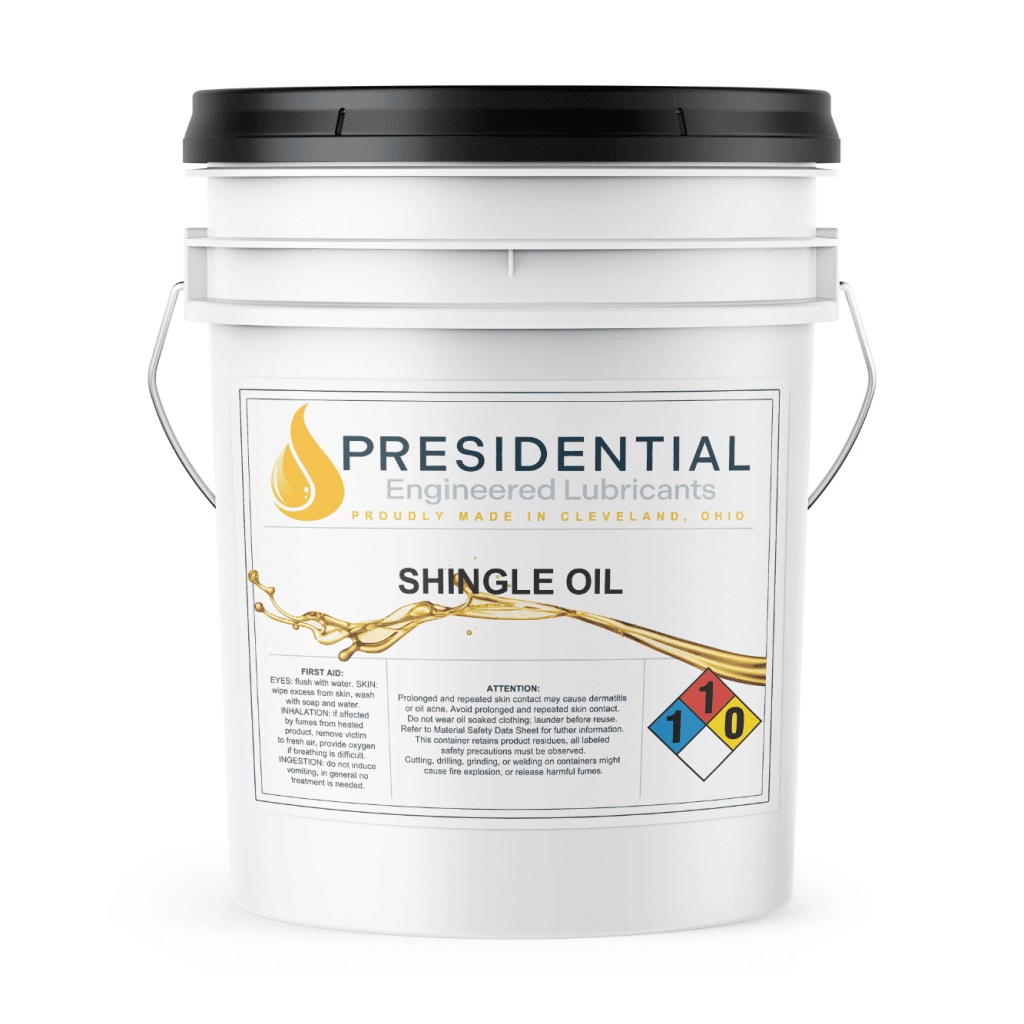
PRESIDENTIAL SHINGLE OIL
Presidential Shingle Oil is a professional-grade oil sealer for wood designed to protect, preserve, and enhance the longevity of outdoor wooden surfaces in any climate. Whether you’re maintaining cedar shake roofs, log homes, wood siding, fences, decks, or garden structures, this premium exterior wood sealer delivers exceptional performance in sealing and waterproofing, making it an ideal choice for both residential and commercial projects.
The Effects of Wood Sealers on Color
Wood sealers can alter wood color subtly or significantly. The effect depends on the sealer type and the wood’s original hue and age.
Will Sealer Change Wood Color?
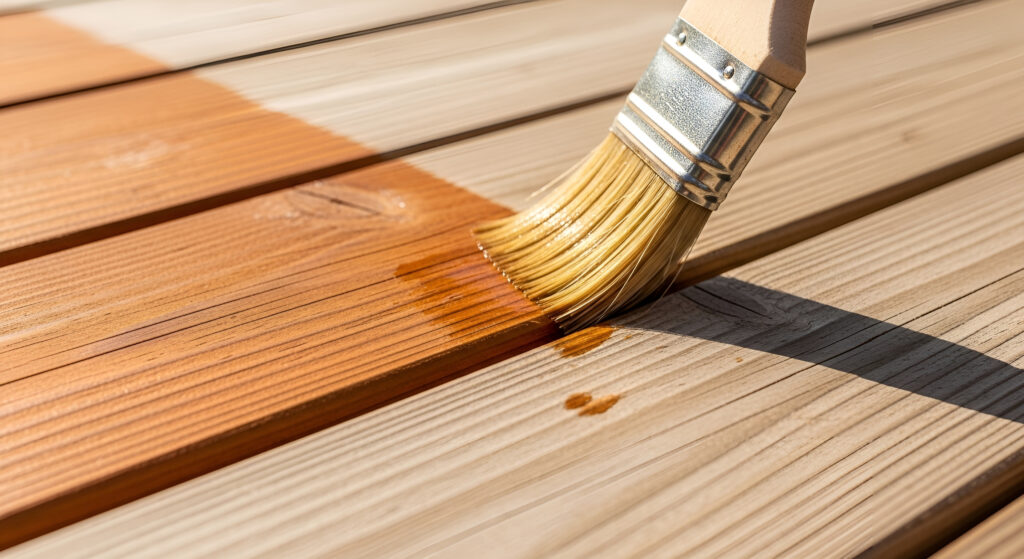
Indeed, a sealer can affect wood color. Clear sealers might slightly darken the wood, while others with pigments can change it more noticeably. The choice of sealer impacts the visual outcome significantly.
Consider these points:
- Pigmented sealers can enhance or alter color.
- Oil-based options sometimes darken aged wood as it enhances the natural wood grain.
- Always anticipate some change in hue and test a small patch.
Testing Before Application
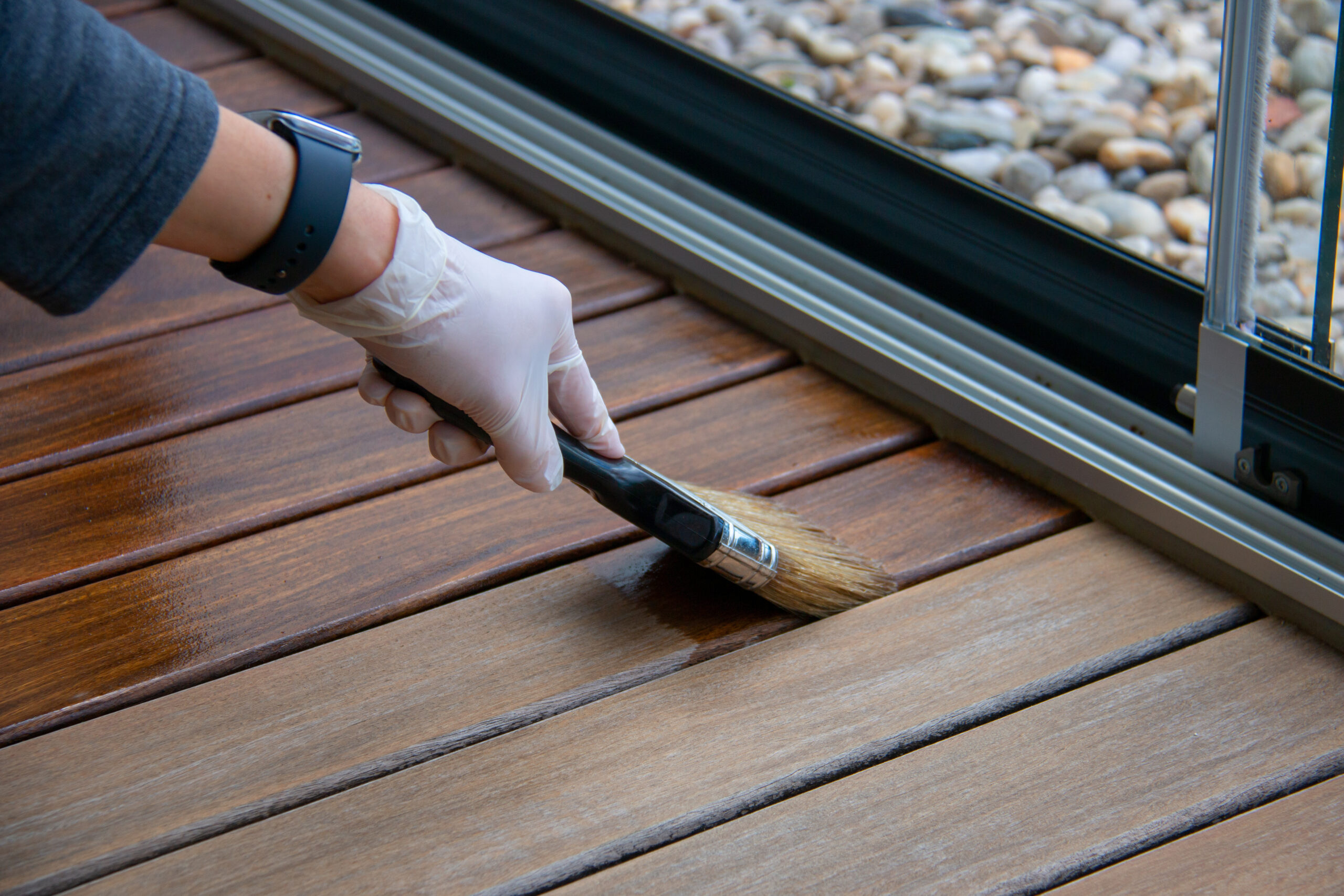
Testing on a small area is wise. This reveals the final look before committing to the entire project.
Steps for testing:
- Clean a discrete spot on the wood.
- Apply a small amount of sealer.
- Evaluate the color after drying.
Does Wood Sealer Darken Wood?
Wood sealers, especially oil-based ones, often darken wood slightly. This is due to their penetration and enhancement of the grain. Older, more porous wood may absorb more oil and have a more drastic result. Darken does not mean a complete color change – but an enhancement of natural wood grain.
Consider the following:
- Older and more porous wood may absorb more oil and appear darker. This result often lightens with time.
- In order to change the color of wood, you would need to purchase a dyed sealer or stain.
Factors Affecting Color Change
Various factors influence how a sealer changes wood color. Wood type and environmental conditions play significant roles.
Key factors include:
- Wood species and grain density.
- Ambient temperature and humidity.
- Application method and sealer formulation.
- Wood age.
- Wood porosity.
Specific Use Cases
Wood sealers are crucial in different scenarios. They protect and enhance wood surfaces exposed to varied environmental conditions.
Wood Sealer for Outdoor Use
Using a wood sealer outdoors shields surfaces from weather and UV damage. These sealers are formulated to withstand moisture, sunlight, and temperature changes.
Benefits include:
- Extended wood lifespan through resistance to the elements.
- Preservation of color and structural integrity.
- Protection against moisture-induced warping.
Impact on Fences and Decks
Sealers can maintain the beauty and durability of fences and decks. They help prevent rot and fading, preserving structural health.
Consider these elements:
- Enhanced protection against rain and sun.
- Maintenance of natural aesthetics over time.
- Prolonged lifespan of outdoor structures.
Sealing Porous Wood
Porous woods absorb sealers more readily, which improves protection. Sealing these types is essential to prevent water damage.
Remember these points:
- Offers deeper protection within the wood.
- Helps prevent water absorption and swelling.
- Enhances durability in all weather conditions.
Enhancing Wood Grain
Some sealers enhance wood grain, adding depth and richness. They can highlight patterns naturally present, giving wood a more sophisticated appearance.
Key advantages include:
- Highlighting natural beauty of the wood.
- Adding visual depth and texture.
- Enhancing aesthetic appeal without heavy alteration.
Additional Considerations
When sealing wood, consider the specific needs of your environment. Choose sealers that cater to these conditions for optimal performance.
UV Protection for Wood
UV protection in sealers prevents sun damage and color fading. This is especially important for outdoor wood exposed to sunlight.
Consider these benefits:
- Stops discoloration from UV rays.
- Preserves the wood’s original color.
- Reduces deterioration over time.
Benefits of Using Sealers
Wood sealers offer multiple advantages, enhancing both appearance and longevity. They can make maintenance simpler and more effective.
Sealer benefits include:
- Extended lifespan of wood products.
- Improved resistance to environmental damage.
- Reduced need for frequent maintenance.
Choosing the Right Wood Protection Products
Selecting the right wood sealer involves considering your specific project goals. This ensures compatibility and satisfaction in the final look.
Factor in:
- Desired aesthetic finish.
- Environmental exposures.
- Type of wood being sealed.
Natural Finish Wood Sealer
Natural finish sealers preserve wood’s authentic appearance. They protect without heavily altering the surface’s look and feel.
Advantages include:
- Maintained original wood color and texture.
- Reduced surface gloss for a subtle finish.
- Added protection with minimal visual change.
Conclusion
Wood sealers can subtly or dramatically alter wood color. The right choice depends on desired effects and environmental conditions.
Always test sealers on a small area first. This ensures you’re happy with how the wood will look.
Presidential Shingle Oil is the best natural wood sealer to enhance wood grain and natural color.
Presidential Shingle Oil stands out in revealing wood’s true beauty. It enriches the grain while maintaining its natural charm. For superior preservation and aesthetic enhancement, it’s an ideal choice.