 Contact
 Account
How Long Does Wood Sealer Last on a Deck or Fence?
Introduction
Wood sealers are essential for maintaining the beauty and durability of outdoor structures. They protect decks and fences from harsh weather and daily wear. But how long does wood sealer last on these surfaces?
The lifespan of a wood sealer can vary. Factors like the type of sealer, environmental conditions, and maintenance practices all play a role. Understanding these elements can help you make informed decisions about your wood protection products.
In this guide, we’ll explore the lifespan of different wood sealers. We’ll also provide tips on how often to reseal your deck or fence to ensure lasting protection.
Understanding Wood Sealers
What are Wood Sealers?
Wood sealers form a protective barrier on surfaces or absorbing treatment to shield against moisture and UV damage. This coating or treatment helps extend the life of decks and fences by preventing decay.
They keep your wood looking fresh and new. Furthermore, sealers protect surfaces from developing mold, mildew, or fading due to constant exposure to the sun.
Learn more about our wood sealers here.
Types of Wood Sealers
Wood sealers come in various types, catering to different needs and environmental conditions. Each type offers specific benefits and characteristics.
Here are the most common types of wood sealers:
- Oil-based sealers provide deep penetration and rich color enhancement.
- Water-based sealers are easier to clean and environmentally friendly.
- Acrylic sealers offer excellent UV protection and color retention.
Choosing the right sealer depends on your wood type and the specific environmental challenges it faces.
Check out our guide on how to choose the right wood sealer for your needs here.
Factors Affecting Sealant Lifespan
Environmental Conditions
Climate plays a significant role in determining how long a wood sealer lasts. Areas with high humidity or extreme temperatures can wear down sealers faster.
Consider these factors:
- Frequent rainfall speeds up wear.
- Intense UV exposure causes fading.
- Drastic temperature changes may crack coatings.
Recognizing these environmental influences helps you choose the best sealer and anticipate its maintenance needs.
Type of Wood Used
Different wood types have varying absorption levels, affecting sealant longevity. Hardwoods like oak and mahogany absorb less sealer than softer woods.
Consider these wood types:
- Pine: absorbs more sealer, needing frequent reapplication.
- Cedar: naturally resistant and benefits from sealing.
- Redwood: durable and works well with sealers.
Application Process
Correct application ensures a lasting seal. Uneven coating leads to premature wear, while thorough application increases longevity.
Start with a clean, dry surface for better adhesion. Apply the sealer using the correct tools, such as brushes or sprayers, for even distribution.
Allow proper drying time under ideal environmental conditions. This step maximizes the effectiveness and durability of the sealer.
Check out our guide on how to properly apply wood sealer for outdoor applications here.
Maintenance Practices
Regular maintenance extends the life of wood sealers. Simple, periodic checks and upkeep tasks are vital.
Try these tips:
- Inspect for any signs of wear or cracking.
- Clean surfaces to remove dirt and debris.
- Apply a fresh coat when water starts absorbing into the wood.
These practices help protect your investment and keep your wood in top condition.
Typical Lifespan of Common Sealers
Outdoor Wood Sealers
Outdoor wood sealers generally last between 1 to 2 years. The lifespan varies based on environmental exposure and the sealer quality.
Higher-quality sealers last longer and offer better protection. Some benefits include:
- Enhanced moisture resistance
- Improved UV protection
- Durable finish against wear
Choosing the right sealer and maintaining it well can extend its effective life.
Waterproof Wood Coatings
Waterproof wood coatings are designed to prevent water damage effectively. They typically need reapplication every two years.
These coatings serve as a barrier against moisture. This protection is crucial for areas exposed to constant rain or humidity.
Frequent inspections can identify when reapplication is necessary, helping preserve your wooden structures.
Presidential Shingle Oil Lasts 2-3 Years On Outdoor Applications
Presidential Shingle Oil provides robust protection for wooden surfaces. Its effective lifespan is around 2 to 3 years.
Benefits of using this product include:
- UV protection for wood surfaces
- Resistance to mold, mildew, and water damage
- Enhanced color retention
For optimal results, proper application and regular checks are advised.
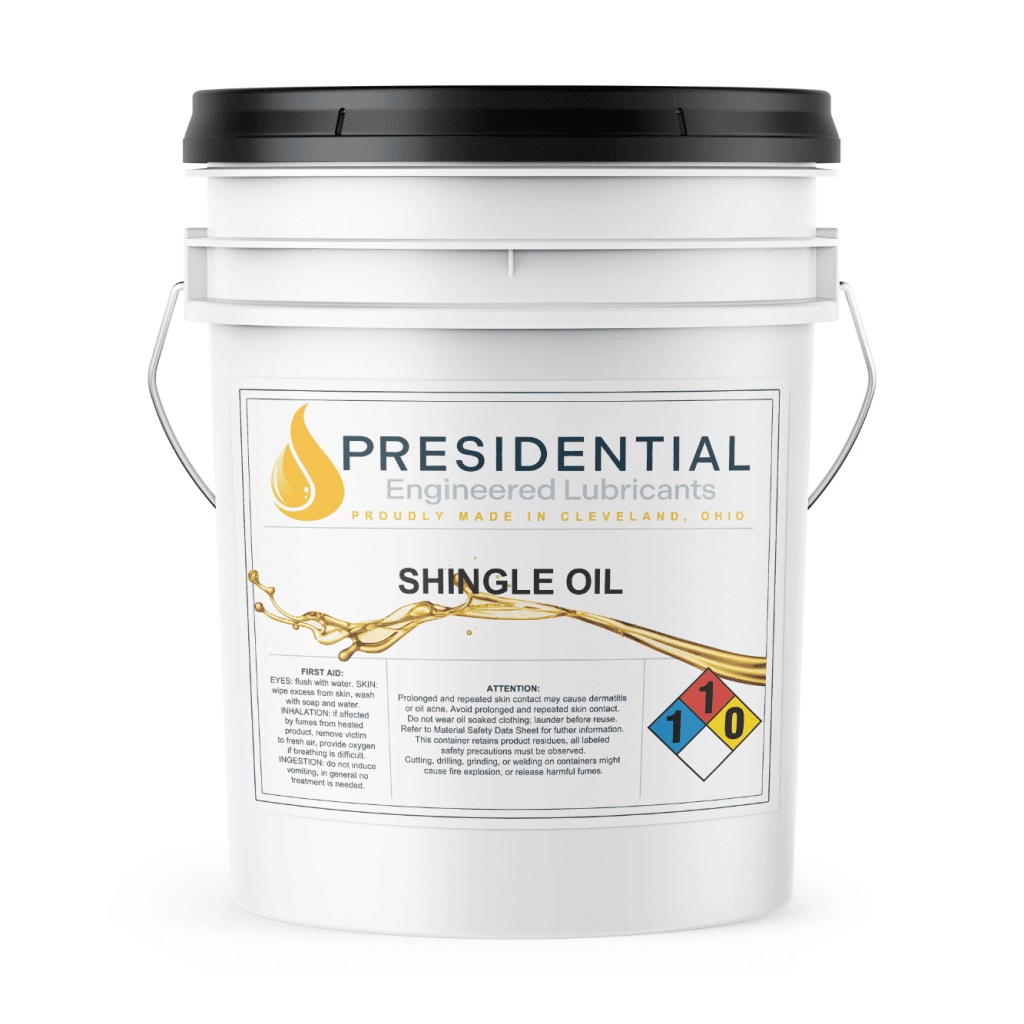
PRESIDENTIAL SHINGLE OIL
Presidential Shingle Oil is a professional-grade oil sealer for wood designed to protect, preserve, and enhance the longevity of outdoor wooden surfaces in any climate. Whether you’re maintaining cedar shake roofs, log homes, wood siding, fences, decks, or garden structures, this premium exterior wood sealer delivers exceptional performance in sealing and waterproofing, making it an ideal choice for both residential and commercial projects.
UV Protection for Wood
Importance of UV Protection
UV protection is vital for outdoor wood structures. Sunlight can cause wood to fade and weaken over time. Using a wood sealer with UV protection helps preserve the wood’s natural color. It also maintains its structural integrity by preventing degradation.
UV-protected sealers are especially crucial in sunny climates, where sun exposure is more intense.
How Does UV Affect Sealant Lifespan?
UV rays directly impact the lifespan of wood sealers. They cause the breakdown of the sealant’s protective layer.
Common effects include:
- Fading or discoloration
- Cracking of the wood surface
- Reduced efficacy of the sealant
Using a sealer designed for UV resilience can mitigate these effects, extending the sealer’s effective lifespan.
Presidential Shingle Oil for UV Protection
Presidential Shingle Oil stands out for its excellent UV protection capabilities. It forms a durable shield against harsh sun rays.
This oil not only prevents fading but also protects against mildew. Its formulation retains the wood’s color and finish longer. This enhances both aesthetic appeal and functional longevity. Proper application ensures optimal results.
Resealing Recommendations
How Often to Reseal Deck
Decks generally require resealing every 1 to 3 years. The frequency depends on factors like usage, climate, and sealant quality. Regular inspection helps determine the right time for resealing. Look for signs such as:
- Water soaking in rather than beading
- Surface fading or color change
- Visible wear or surface damage
Addressing these signs early can prevent more significant damage, ensuring your deck stays in top shape.
Check out our guide for choosing the best wood sealer for decks.
How Often to Seal Wood Fence
Fences need sealing typically every 2 to 3 years. However, environmental exposure and geographic location might affect this timeline. The direction of the sun, wind, and more can decrease or increase the time needed between sealing significantly. A section of fence that is better shaded may allow for the sealant to last longer than one exposed to direct sunlight. Similarly, a fence shielded from rain may experience longer sealant life than one that is directly hit by rain due to wind patterns.
Key indicators for resealing include:
- Surface becoming rough or splintery
- Changes in color or texture
- Water absorption rather than beading
Being proactive with these indicators helps maintain the fence’s durability and appearance over time.
Check our our guide to choosing the best sealer for a cedar fence to keep it from turning gray here.
Conclusion
Summary of Key Points
Wood sealers are vital for protecting decks and fences. Their lifespan typically ranges from 1 to 3 years. Factors like environmental conditions and maintenance affect this period. Regular checks and resealing extend the life of wood structures. Key considerations include:
- Sealant type and quality
- Application process and maintenance
- Environmental exposure
Final Thoughts on Wood Protection Products
Investing in quality wood protection products ensures long-lasting durability. Products like Presidential Shingle Oil offer superior UV protection and sealant longevity. Choosing the right sealer tailored to specific needs enhances wood appearance and lifespan. Prioritizing protection helps maintain the beauty and integrity of outdoor wood structures.