 Contact
 Account
How to Prevent Steel From Rusting

Introduction
Steel rusts when iron, oxygen, and moisture meet, so preventing steel rust is about controlling surface exposure before, during, and after fabrication. In industrial settings, that means protecting steel coils, sheets, plates, and fabricated parts with the right combination of cleaning, coatings, packaging, storage, and inspection. The best approach is usually layered: prepare the surface well, apply a suitable barrier, and keep water and contaminants away through handling and transit.
What should you check before choosing a rust prevention method?
Start by identifying the steel form, the process it will go through, and the environment it will face. A dry indoor coil storage area needs a different plan than outdoor plate staging, humid warehouse storage, or fabricated parts waiting for installation. You should also consider whether the steel will be painted, welded, cut, stamped, formed, or shipped long distance, because some corrosion protection methods can interfere with later processing if they are not selected carefully.
Use this quick pre-check before choosing a protection system:
- Steel form: coils, sheets, plates, or fabricated assemblies all have different exposed edges, contact points, and handling risks.
- Surface condition: mill scale, oil, dirt, salts, and fingerprints can reduce coating performance.
- Storage duration: short-term work-in-progress protection may only need temporary film or spray, while longer storage may require heavier barriers.
- Environment: moisture, condensation, chemical fumes, coastal air, and temperature swings increase corrosion risk.
- Next process: welding, painting, galvanizing, forming, or adhesive bonding may limit which oils, sprays, or coatings are appropriate.
Follow these steps to prevent rust on industrial steel
Keep steel dry from the start
Moisture control is the first and simplest defense. Store steel coils, sheets, and plates under cover, off the floor, and away from direct exposure to rain, dripping pipes, or standing water. Even brief wetting can create rust stains, especially where stacked sheets trap moisture between layers.
Pay close attention to condensation. Steel brought from a cold area into a warm, humid space can sweat as the surface temperature rises. Allow material to acclimate, improve air circulation, and avoid tightly wrapping wet or damp steel, because trapped moisture can accelerate corrosion instead of preventing it.
Clean the surface before applying protection
Protective products work best on clean steel. Remove dirt, metal fines, cutting fluids, salts, and loose scale before applying oils, sprays, primers, or coatings. If contaminants remain under the barrier, corrosion may begin underneath and spread unseen.
For sheets and plates, cleaning may involve wiping, washing, degreasing, blasting, or other surface preparation depending on the final finish. Fabricated parts often need extra attention around welds, bends, corners, holes, and crevices where residue can collect. Always match the cleaning method to the steel grade, surface finish, and next manufacturing step.
Apply a suitable temporary rust preventive
Temporary protection is useful for work-in-progress steel, inventory, and parts awaiting shipment. Rust preventative sprays can create a thin protective film over exposed steel surfaces, making them practical for fabricated parts, cut edges, tooling contact areas, and smaller batches. They are especially helpful when full coating systems are not practical yet, but the steel still needs short-term protection from humidity and handling.
For coils, sheets, and plates, rust preventive oils or films may be applied more uniformly during processing or packaging. Choose a product based on storage time, removability, compatibility with later finishing, and whether the steel will be handled manually or by automated equipment. Avoid over-application if the steel must be painted, welded, or bonded later, because excess residue can create rework.
Use coatings for longer-term barrier protection
When steel needs more durable protection, use a coating system designed for the service environment. Options may include primers, paints, powder coatings, metallic coatings, or specialty industrial finishes. These corrosion protection methods reduce direct contact between steel and oxygen, moisture, and contaminants.
Surface preparation matters as much as the coating itself. Coatings applied over dirty, wet, or poorly profiled steel may peel, blister, or fail early. For plates and fabricated parts, make sure edges, weld seams, bolt holes, and corners receive enough coverage, because thin coating at these points often becomes the first path for rust.
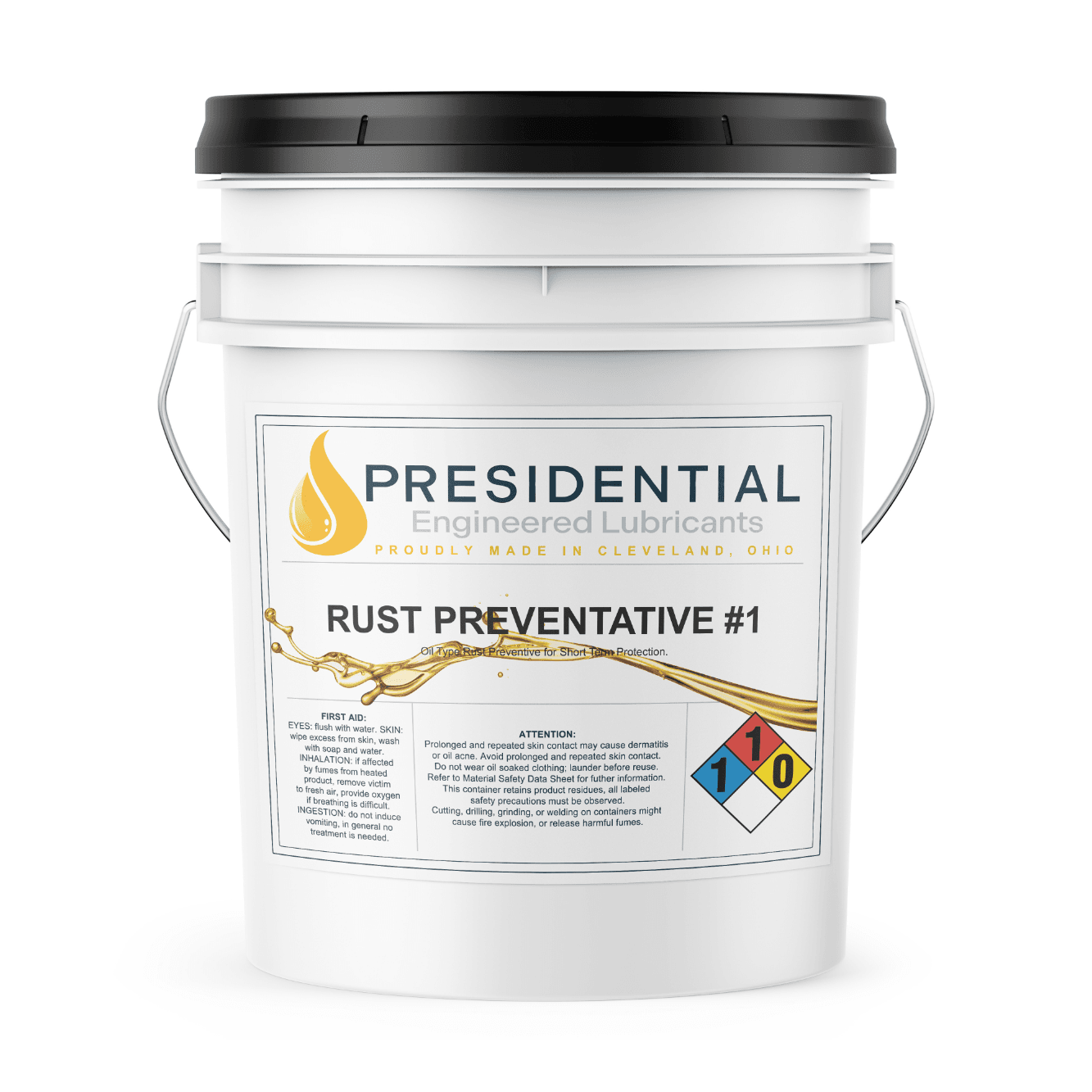
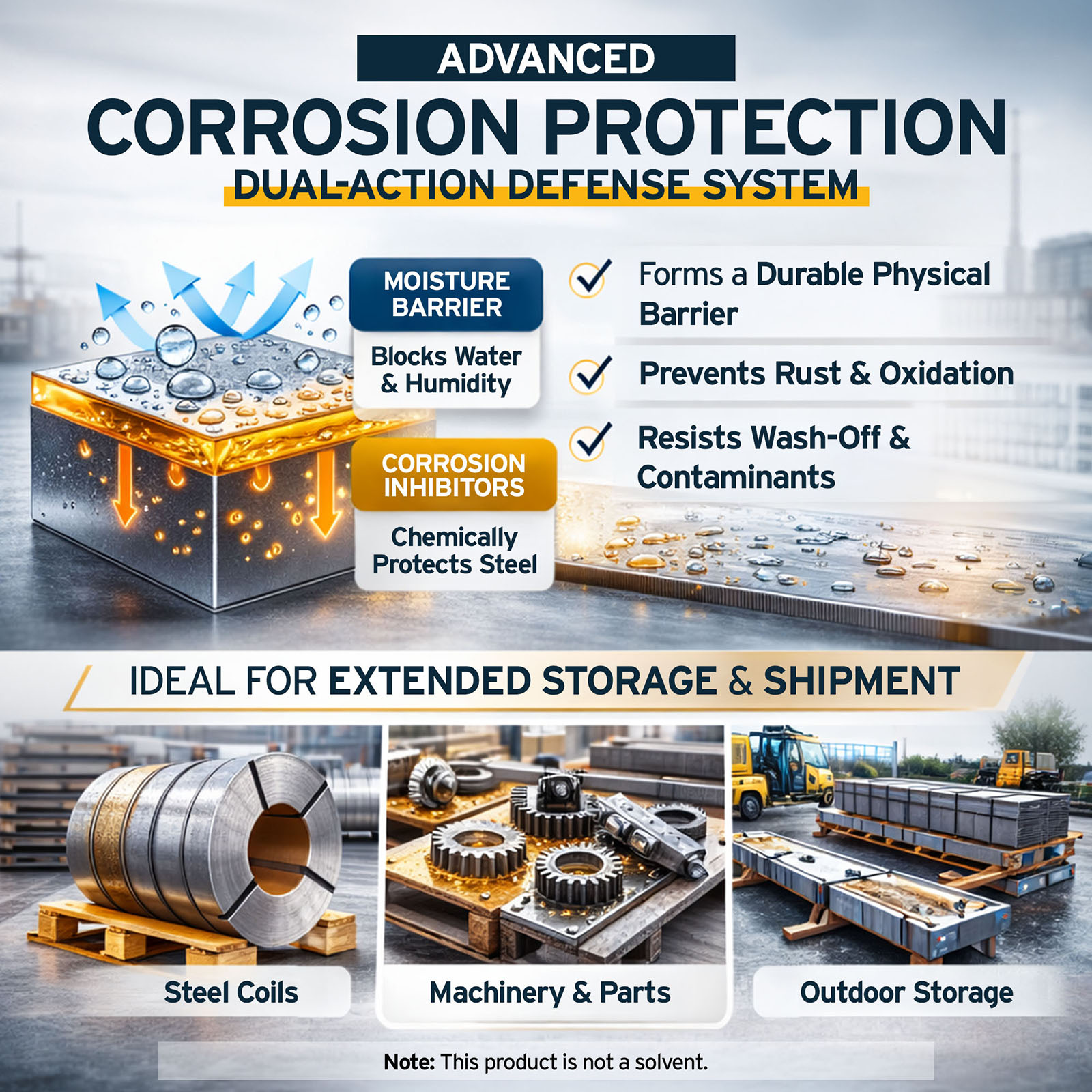
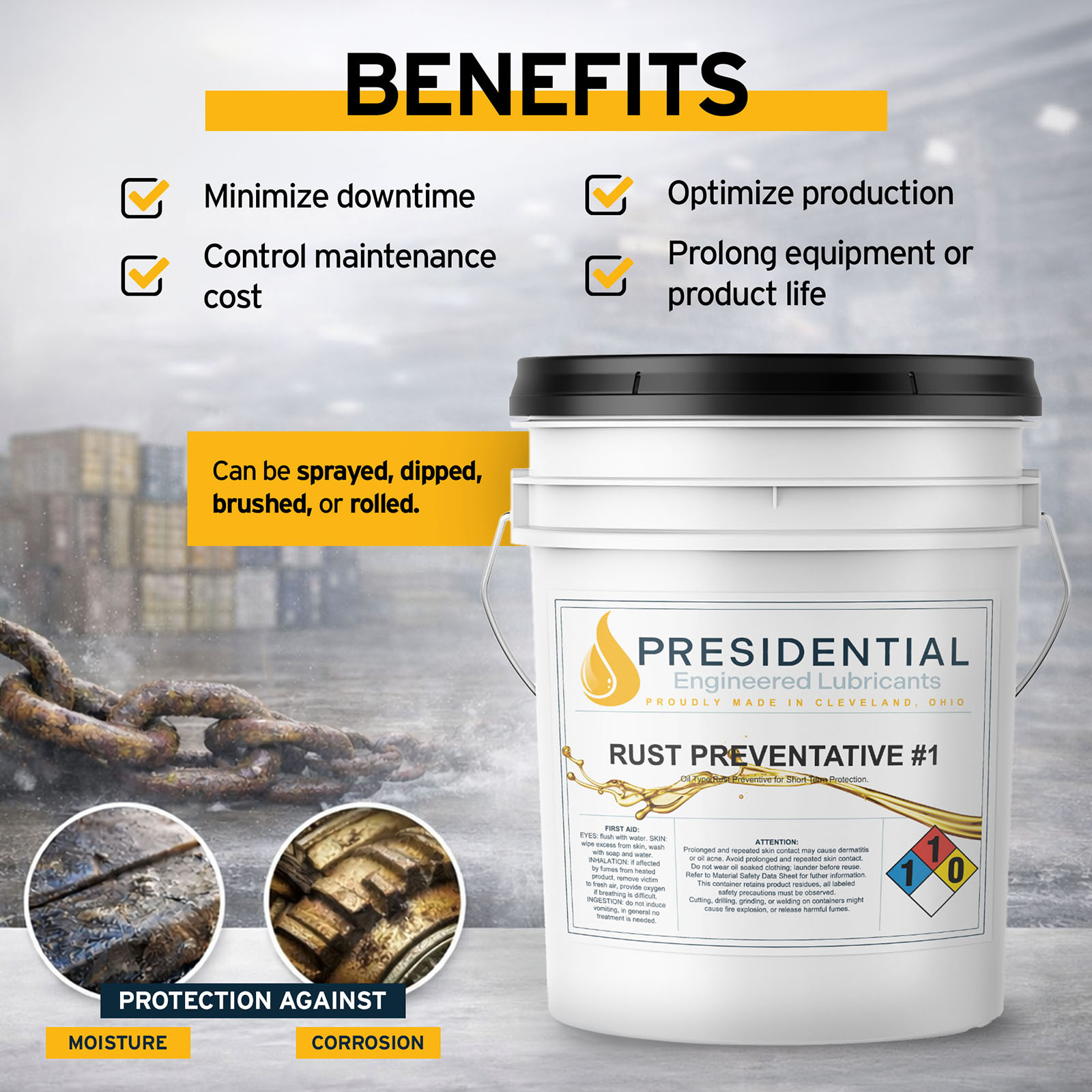
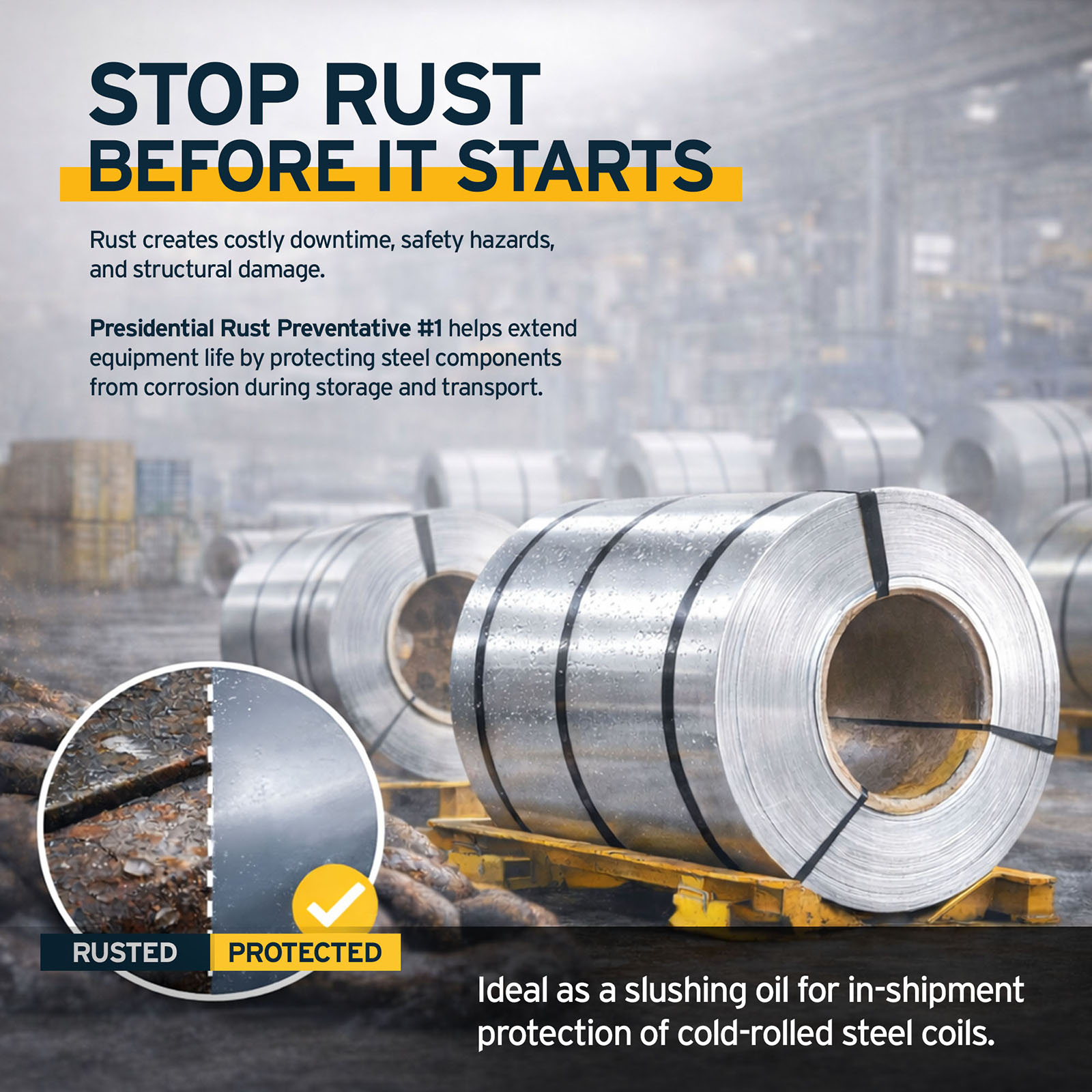
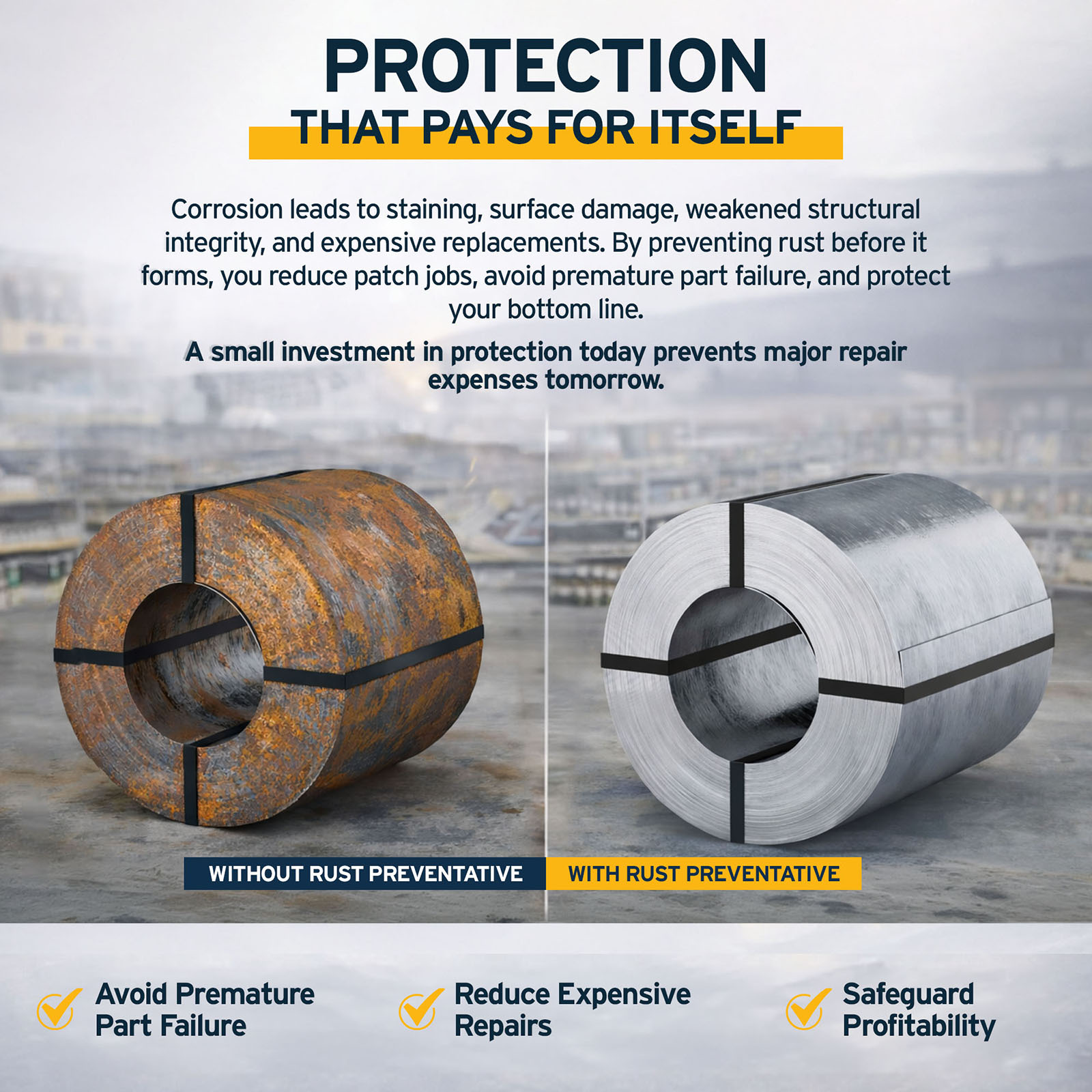

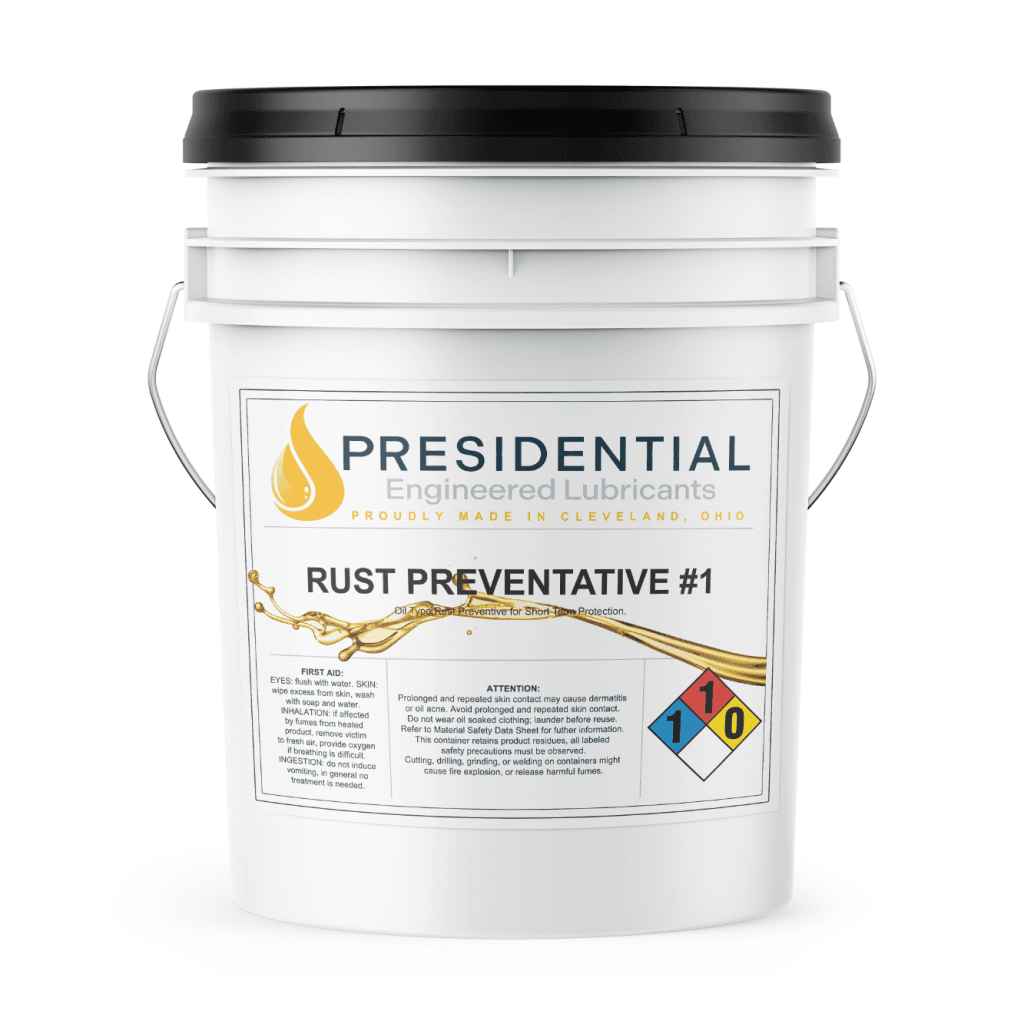
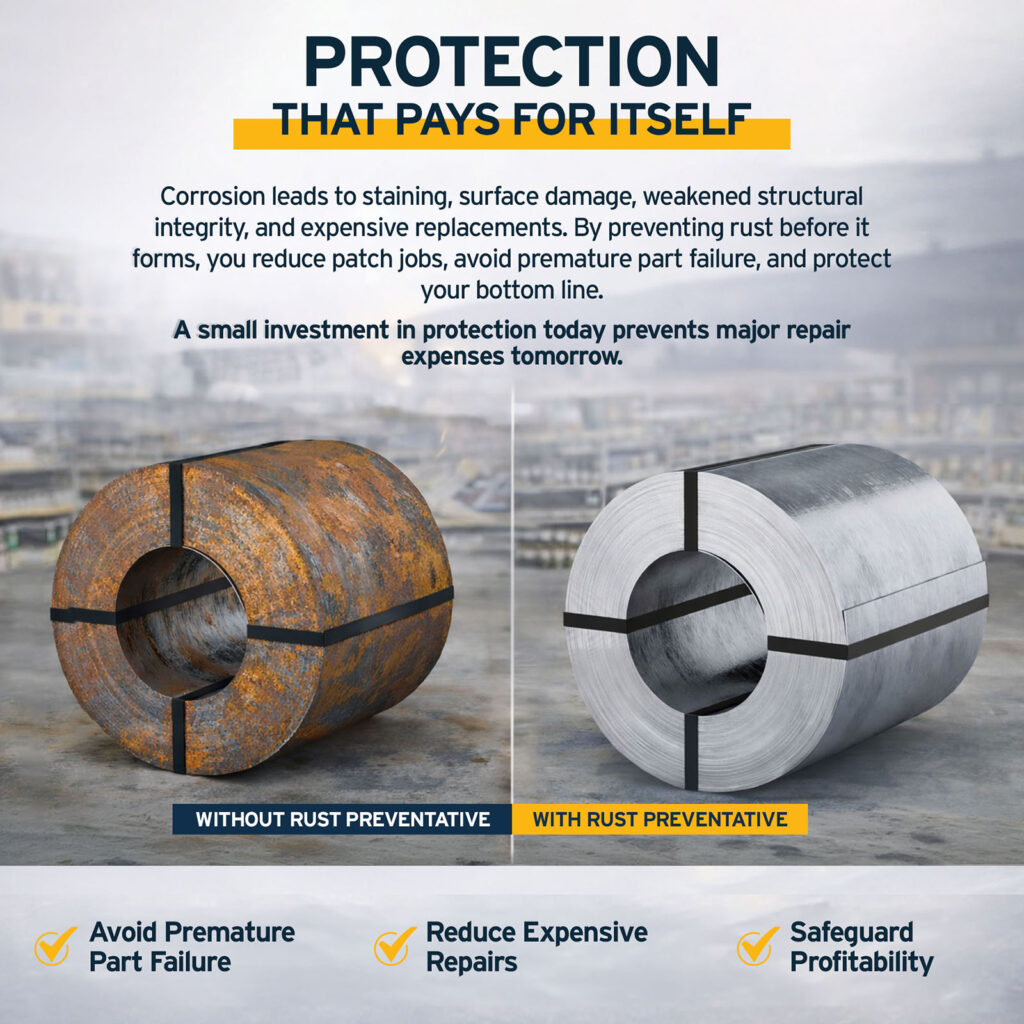

PRESIDENTIAL RUST PREVENTATIVE
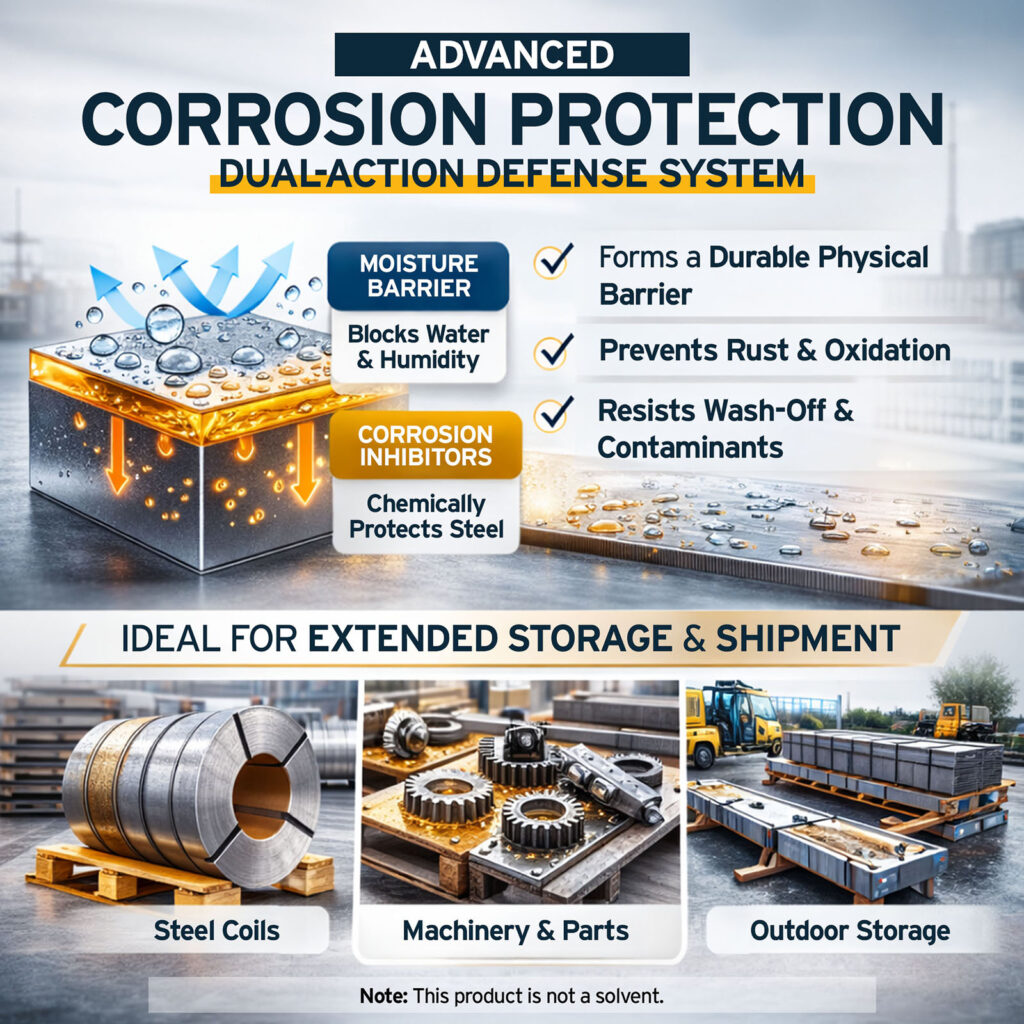
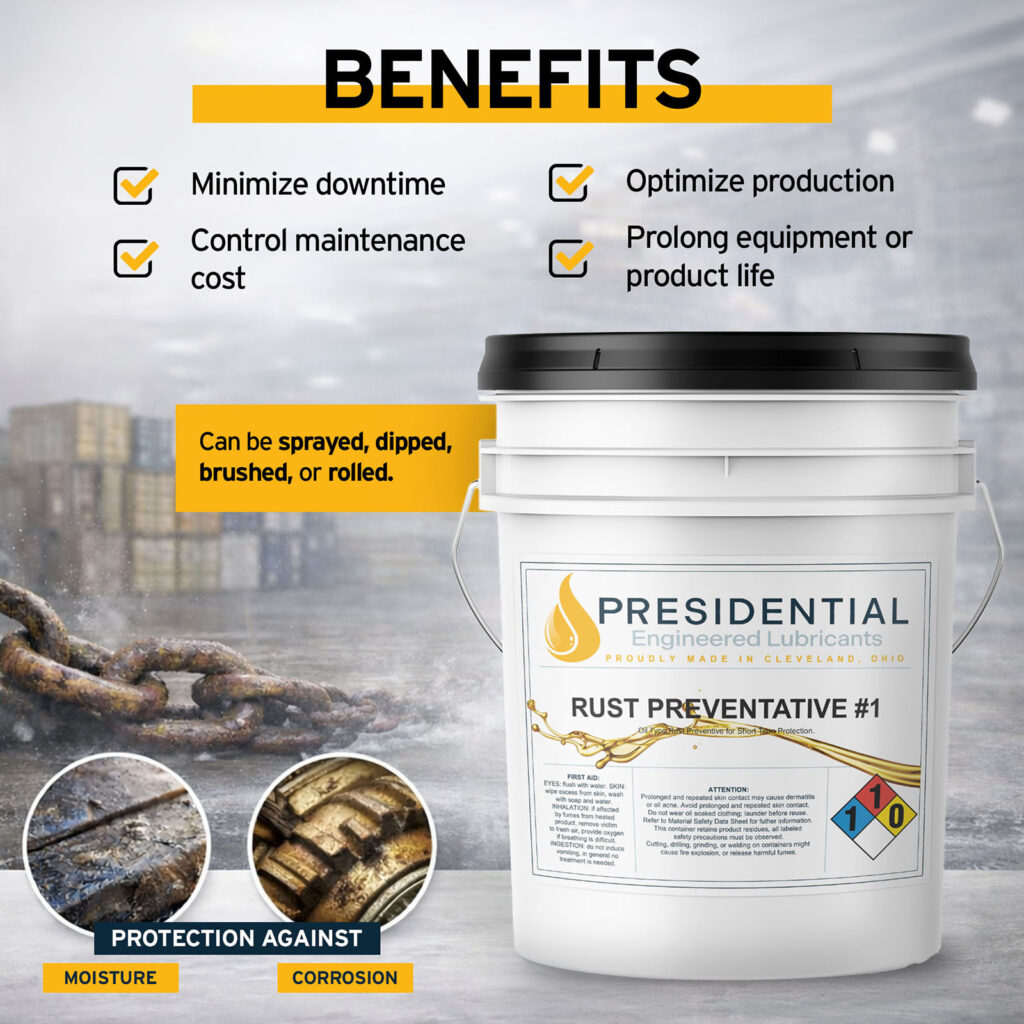
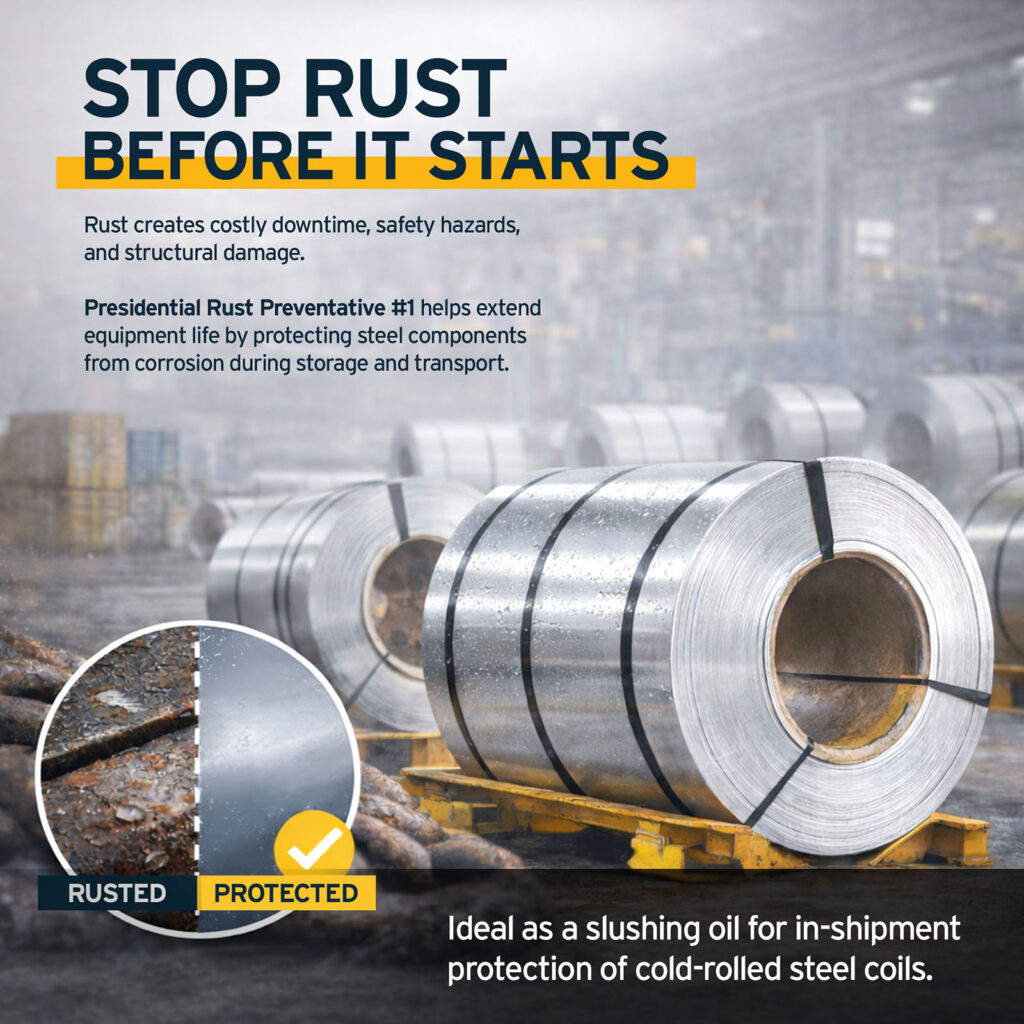
Presidential Rust Preventative #1 is a high-performance rust preventative oil engineered to safeguard metal surfaces during storage, shipment, and in-process staging. Formulated as an oil-type protective coating, this antirust oil provides both a physical barrier and chemical corrosion inhibitors to protect ferrous metals from rust, even in high-humidity or acidic environments.
Protect cut edges, scratches, and weld areas
Rust often starts where the protective layer has been interrupted. Slitting coils, shearing sheets, cutting plates, drilling holes, welding, grinding, and forming can expose bare steel or damage existing protection. Inspect these areas after processing, not only before material leaves the line.
Touch up exposed edges and damaged areas with an appropriate compatible product. For fabricated parts, pay special attention to joints, overlaps, and interior corners where water can sit. If parts are nested, stacked, or bundled, separate them so treated areas can dry or cure properly before packaging.
Package steel to prevent trapped moisture
Packaging should block contamination without sealing moisture against the steel. Use dry separators, edge protectors, wraps, vapor corrosion inhibitors when suitable, and packaging materials compatible with the surface finish. For coils and stacked sheets, separators can help reduce abrasion while also limiting metal-to-metal contact.
Do not package steel that is wet from washing, weather exposure, or condensation. If packaging must protect against humid transit, combine dry material, breathable design where appropriate, and moisture control. For export, long-distance freight, or long warehouse dwell times, packaging should be planned as part of the corrosion prevention system rather than an afterthought.
Control storage layout and handling
Preventing steel rust continues after treatment. Store coils, sheets, plates, and fabricated parts so air can circulate and water cannot collect. Keep material away from open doors, corrosive chemicals, process steam, leaking roofs, and areas where temperature swings cause repeated condensation.
Handling damage is another common cause of rust. Forklifts, chains, magnets, clamps, and racks can scratch protective films or coatings. Use suitable lifting equipment, padded contact points where needed, and clear handling procedures so corrosion protection is not destroyed before the steel reaches its next process.
Inspect regularly and repair early
Set a routine inspection schedule based on risk. High-humidity areas, outdoor staging, overseas shipments, and long-term inventory need more frequent checks than fast-moving indoor stock. Look for discoloration, white staining on galvanized surfaces, red rust on exposed steel, wet packaging, coating damage, and rust beginning at edges or contact points.
Small problems are easier to correct than widespread corrosion. Dry the material, remove loose rust if present, clean the surface, and reapply compatible protection where needed. If rust appears repeatedly in the same area, investigate the cause instead of only treating the symptom.
How do you handle preventing rust on galvanized steel?
Preventing rust on galvanized steel requires protecting both the zinc coating and any exposed steel beneath it. Galvanized coils, sheets, plates, and fabricated parts can still develop staining or corrosion if they are stored wet, nested tightly, scratched deeply, or exposed to aggressive chemicals. Keep galvanized material dry, ventilated, and separated so moisture does not remain trapped between surfaces.
Cut edges, drilled holes, weld areas, and damaged spots need special attention because fabrication can expose the base steel or reduce zinc protection. Use compatible touch-up materials or coatings suitable for galvanized surfaces, and avoid surface treatments that interfere with later painting or assembly. If galvanized sheets are stacked, make sure they are dry before bundling to reduce the risk of storage stain.
Match the protection method to the job
No single method works for every industrial application. Short-term indoor storage may only need clean handling and a temporary protective film, while outdoor plate storage or fabricated parts awaiting installation may need coatings, better packaging, and more frequent inspection. The right plan balances protection level, production flow, surface finish requirements, and ease of removal or rework.
A practical rust prevention program should include:
- Moisture control through covered storage, ventilation, and condensation management.
- Surface preparation before oils, sprays, primers, or coatings are applied.
- Temporary protection such as rust preventative sprays, oils, or films for work-in-progress steel.
- Durable coatings for longer exposure or demanding environments.
- Damage control at cut edges, welds, scratches, and handling points.
- Routine inspection so small rust issues are found before they spread.
When these steps are used together, preventing steel rust becomes a controlled process rather than a last-minute repair. Build corrosion prevention into receiving, processing, packaging, storage, and shipping, and steel products will be far more likely to arrive clean, usable, and ready for their next operation.