 Contact
 Account
What Happens When You Mix Different Greases
Introduction
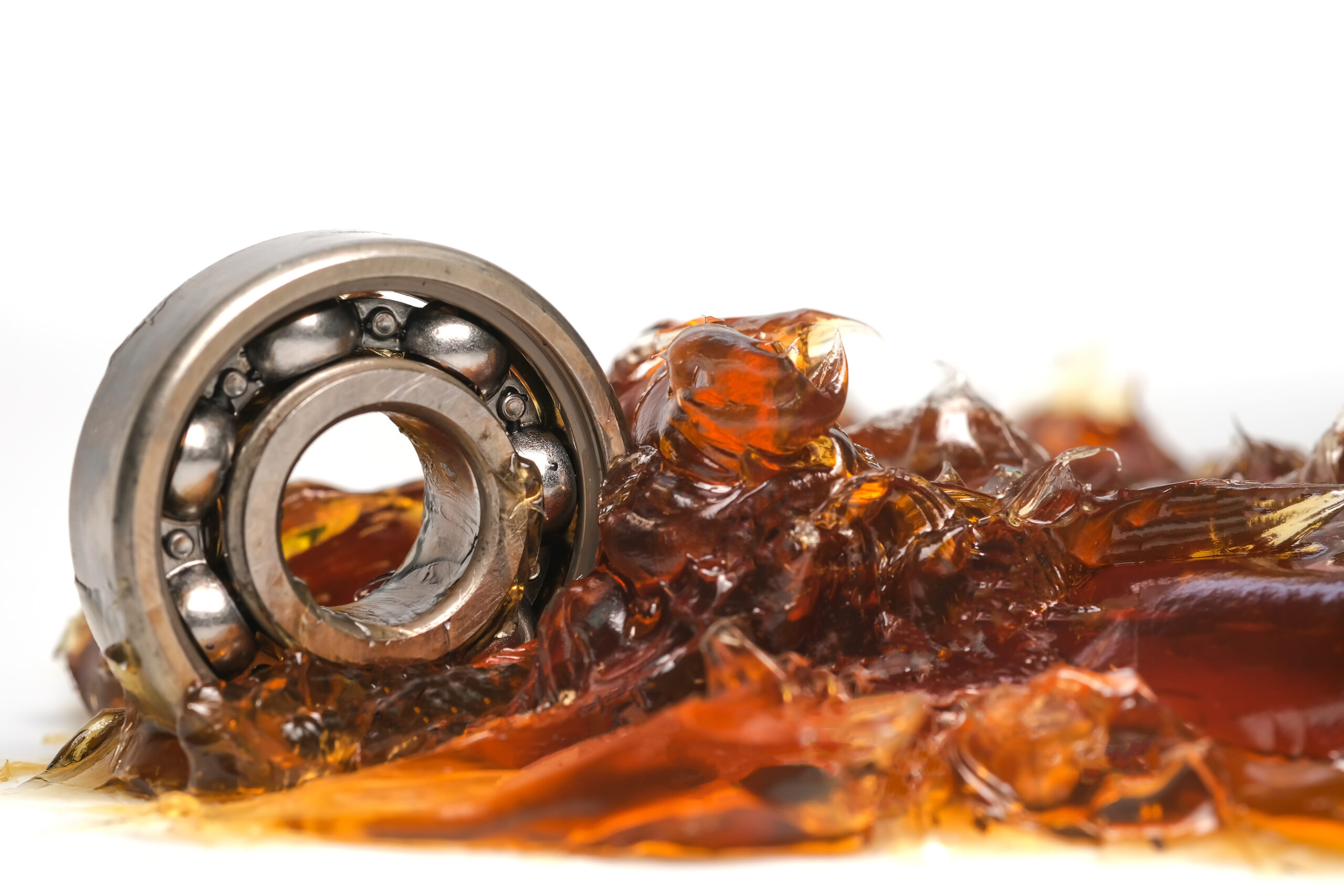
Have you ever wondered exactly what happens if you mix different lubricants in your machinery? In a pinch, it might seem like applying any available lubricant is better than running a bearing dry. However, mixing greases without understanding their underlying chemistry can actually lead to catastrophic equipment failure and expensive downtime.
The Science Behind Grease Compatibility
To grasp the importance of grease compatibility, you first need to understand how these formulas are manufactured. All grease types consist of three primary components: a base oil, performance-enhancing additives, and a thickener. The thickener acts as a molecular “sponge” that holds the oil in place. When you combine two different formulas, you immediately risk base oil and additive clashing, which severely degrades the lubricant’s performance and protective qualities.
The Thickener Clash
The most severe mechanical issues usually stem from the consequences of incompatible thickeners. For example, if you examine lithium complex vs polyurea compatibility, you will quickly find that they generally do not mix well. When incompatible thickeners interact, the chemical stability of blended greases is compromised. Instead of a smooth lubricant, the mixture might harden into a solid, soap-like chunk, or completely break down into a runny fluid that leaks out of the housing.
Warning Signs of a Bad Mix
If you have recently experienced the accidental cross-contamination of industrial lubricants, you will likely notice physical changes in the machinery’s performance. Keep a close eye out for these critical symptoms:
- NLGI consistency rating changes: The grease may unexpectedly soften, dropping from a standard solid Grade 2 down to a fluid Grade 0.
- Grease washout and oil bleeding symptoms: The compromised thickener releases its base oil too quickly, leaving metal components completely dry and unprotected against friction.
- Poor shear stability of lubricant blends: The structural integrity of the grease breaks down under mechanical stress, failing to maintain a protective film between moving parts.
Best Practices for Safe Transitions
Before introducing a new product to your equipment, always consult a reliable lubricant compatibility chart provided by the manufacturer. If you are dealing with highly critical or expensive equipment, it is highly recommended to perform formal ASTM D6185 compatibility testing in a lab to ensure the mixture won’t cause long-term damage.
Here is a practical, step-by-step approach for reducing risks during grease conversion:
- Start with Identification: Begin by identifying unknown grease types currently operating in the system. If you cannot definitively verify the existing grease, you must assume it is entirely incompatible with your new product.
- Clean the System Thoroughly: Knowing how to change grease types safely means understanding that purging machinery bearings properly is non-negotiable. Push out as much of the old grease as possible by slowly pumping the new grease until it runs completely clear out of the exhaust port.
- Increase Maintenance Frequency: After the initial purge, increase your greasing intervals temporarily to systematically flush out any lingering incompatible remnants.
Mixing lubricants is always a high-risk gamble for your equipment’s longevity. By taking the time to understand grease chemistry and properly transitioning your machinery, you can ensure reliable performance and avoid costly, preventable repairs.