
 Contact
 Account
Oil-Based vs. Water-Based Wood Sealers: Which Lasts Longer Outside?
Introduction
Choosing the right wood sealer is crucial for outdoor projects. It affects the longevity and appearance of your wood surfaces.
Oil-based and water-based sealers are the two main options available. Each has its own set of benefits and drawbacks.
Understanding these differences can help you make an informed decision. This guide will explore which type of sealer lasts longer outside.
Whether you’re a homeowner or a professional, this comparison will aid in selecting the best sealer for your needs.
Overview of Wood Preservation Techniques
Wood preservation is essential for enhancing the life of outdoor wooden structures. It protects against moisture, insects, and UV damage. Choosing the right technique ensures longevity and maintains aesthetics.
Common methods involve applying sealers, stains, or oils. The following is a list of some popular wood sealing techniques:
- Topical Sealers: Provide a protective barrier against elements.
- Stains: Enhance and color the wood.
- Penetrating Sealers: Absorbs deeply, enhancing grain and color.
Importance of Choosing the Right Sealer
Selecting the appropriate sealer is vital for effective wood protection. It affects durability and overall maintenance requirements. Consider factors like exposure, wood type, and personal preference.
Common considerations include:
- Weather exposure: Rain and sun resilience.
- Aesthetic goals: Desired finish and color.
- Wood type: Compatibility with the sealer.
Common Wood Sealing Methods
Effective wood sealing involves proper application techniques. The choice varies based on the project’s needs and environmental factors. Understanding each method can help in achieving the best results.
Here are common sealing methods:
- Brushing: Provides control and precision.
- Spraying: Ensures even coverage.
- Rolling: Suitable for large surface areas.
Presidential Shingle Oil is an oil-based wood sealer that offers incredible results.
Presidential Shingle Oil deeply penetrates, enhancing wood’s natural beauty. It’s known for its exceptional durability in outdoor conditions.
Oil-Based vs. Water-Based Wood Sealers
Understanding the difference between oil-based and water-based wood sealers is crucial for successful wood projects. Each type of sealer has distinct characteristics that impact both performance and aesthetics. Whether it’s the natural richness of oil or the quick drying time of water-based products, the choice depends on specific needs and conditions.
Both oil and water-based sealers offer unique benefits and challenges. Selecting the right one can affect the durability and appearance of wooden structures. While oil-based sealers excel in enhancing the wood’s natural grain, water-based options provide an alternative.
When it comes to protecting outdoor wood, the longevity of the sealer is a primary concern. Climate conditions and UV exposure can greatly influence this. Oil-based sealers are traditionally favored for their robust barrier against the elements, but water-based sealers have made strides in this area as well.
Despite the traditional preference for oil-based sealers in outdoor settings, water-based products are gaining popularity. The availability of various finishes and colors further enhances their appeal.
Homeowners and professionals alike should weigh factors like exposure, desired finish, and maintenance needs when choosing a sealer.
Characteristics of Oil-Based Sealers
Oil-based sealers penetrate deeply into wood fibers. They usually provide a rich, warm finish and enhance the grain.
Key characteristics include:
- Penetration: Deeply penetrates wood fibers.
- Finish: Rich and warm natural appearance.
- Drying time: Longer than water-based options.
Advantages of Oil-Based Sealers
These sealers are known for their durability and water resistance. They’re perfect for high-traffic areas due to their robust protective finish. Unlike a topical sealant, it won’t wear away and expose unsealed wood like a topical barrier would.
Notable advantages are:
- Durability: Exceptional for harsh conditions.
- Water resistance: Great for outdoor use.
- Grain enhancement: Highlights the natural wood grain.
- Performs well in harsh weather conditions: Whether it extreme heat or cold, as well as seasonal rain and winter weather.
Disadvantages of Oil-Based Sealers
Some oil-based sealers have a strong odor. Presidential Shingle Oil, on the other hand, is odorless! It is also low VOC.
Characteristics of Water-Based Sealers
Water-based sealers dry quickly and clean up easily with soap and water. They’re available in a wider range of finishes.
Key traits are:
- Drying time: Quick, reducing project time.
- Variety: Many finishes and colors available.
Advantages of Water-Based Sealers
These sealers are ideal for indoor projects as they are also low odor. They tend to be non-yellowing and offer low VOC content.
Benefits include:
- Low VOC content.
- Odor: Minimal, suitable for indoor use.
- Non-yellowing: Preserves wood’s original color.
Disadvantages of Water-Based Sealers
On the downside, water-based sealers might not penetrate as deeply and could be less durable in extreme weather.
Challenges involve:
- Durability: Less resilient in harsh conditions.
- Penetration: Shallow compared to oil-based.
- Environmental wear: Potential issues in severe weather.
Performance Comparison
When comparing oil and water-based sealers, performance is a key factor. Each has strengths and weaknesses when tested outdoors. Oil-based sealers often excel due to their deep penetration and robust finish, offering superior durability against harsh elements. In contrast, water-based sealers provide adequate protection and are easier to maintain, with the benefit of quick drying times and low VOC emissions.
Longevity of Sealers in Outdoor Conditions
Oil-based sealers usually lead in longevity outdoors. They create a tougher barrier, making them ideal for long-term projects.
Benefits of oil-based sealers include:
- Toughness: Long-term robustness.
- Consistency: Superior protection for extended periods.
- Protection: Excellent against elements.
Resistance to Weather and UV Damage
Oil-based sealers are generally more effective at resisting weather and UV damage. They withstand sunlight and prevent water ingress better.
Resistance features include:
- UV protection: Keeps color and structure intact.
- Weather durability: Superior to water-based options.
- Water-resistance: Guards against moisture.
Longest Lasting Wood Deck Sealer Options
When it comes to long-lasting deck sealers, oil-based choices often shine. They offer remarkable protection against wear and tear.
Top features of best deck sealers include:
- Durability: Outlasts in high-traffic areas.
- Weather resistance: Outstanding for decks exposed to elements.
- Rich finish: Enhances natural wood beauty.
Presidential Shingle Oil is an outstanding option for sealing outdoor wood projects
Presidential Shingle Oil provides exceptional durability, making it a reliable choice for extensive outdoor applications. Unlike some other oil-based sealers, it is odorless and low VOC.
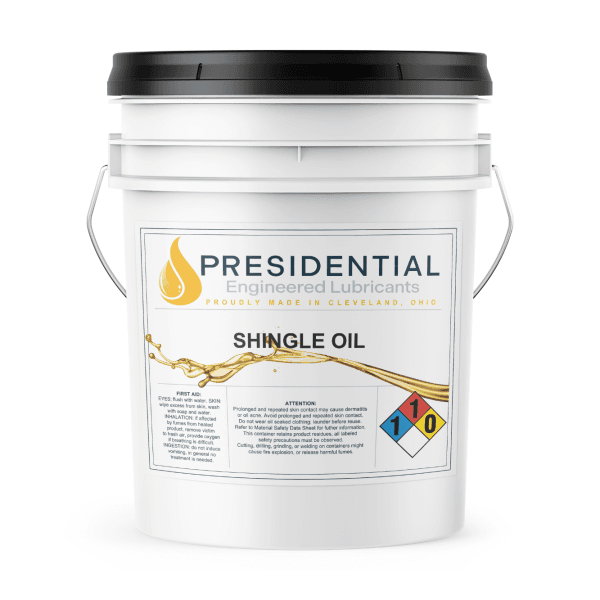
PRESIDENTIAL SHINGLE OIL
Presidential Engineered Lubricants Shingle Oil is a professional-grade oil sealant for wood designed to protect, preserve, and enhance the longevity of outdoor wooden surfaces in any climate. Whether you’re maintaining cedar shake roofs, log homes, wood siding, fences, decks, or garden structures, this premium exterior wood sealer delivers exceptional performance in sealing and waterproofing, making it an ideal choice for both residential and commercial projects.
Recommendations
Choosing between oil-based and water-based sealers depends on several factors like the wood type and environmental conditions. Both sealers offer unique benefits for various scenarios, making them suitable for different projects. Consider the following points when selecting a sealer.
- Project type: Determine if indoors or outdoors.
- Environmental concerns: Consider VOC emissions.
- Maintenance needs: Assess ease of upkeep.
Best Use Cases for Oil-Based Sealers
Oil-based sealers shine in projects needing deep penetration and durability. They are best for high-traffic and moist conditions.
Ideal uses include:
- Decks: Especially in humid zones.
- Outdoor furniture: Long-lasting protection.
- Traditional woodwork: Authentic appearance.
Best Use Cases for Water-Based Sealers
Water-based sealers are perfect for projects requiring quick drying and low environmental impact. They suit indoor applications well.
Optimal scenarios involve:
- Interior floors: Low odor and fast drying.
- Light woods: Prevents yellowing.
- Environmentally friendly builds: Minimal environmental footprint.
Conclusion
Choosing between oil-based and water-based wood sealers involves weighing their distinct features. Both types can deliver excellent results with proper application and maintenance. Consider project needs and environmental conditions before deciding. Assessing your specific requirements will ensure the longest-lasting protection for your wood surfaces.