 Contact
 Account
Should I Seal My Deck Before Winter?
Introduction
Winter can be harsh on your deck. Snow, ice, and moisture can cause significant damage. Sealing your deck with a wood sealer before winter is a smart move. It helps protect the wood from the elements.
A good deck sealer can prevent cracking and warping. It also extends the life of your deck.
In this guide, we’ll explore why sealing is essential. We’ll also cover how to seal your deck effectively.
Importance of Sealing a Deck
Sealing your deck before winter is crucial. The right sealer creates a barrier against weather extremes. This is particularly important during winter when moisture levels rise.
A sealed deck resists water penetration, which helps prevent costly damage. By sealing, you avoid issues like wood rot and decay. Your deck stays strong despite the cold.
Here are reasons to seal your deck:
- Protect against snow and ice
- Prevent cracking and splitting
- Avoid mold and mildew growth
- Enhance wood’s natural beauty
Ultimately, sealing your deck is a protective investment. It ensures your outdoor space remains attractive and durable. Don’t overlook this essential home maintenance task.
Protecting Wood Deck from Winter Damage
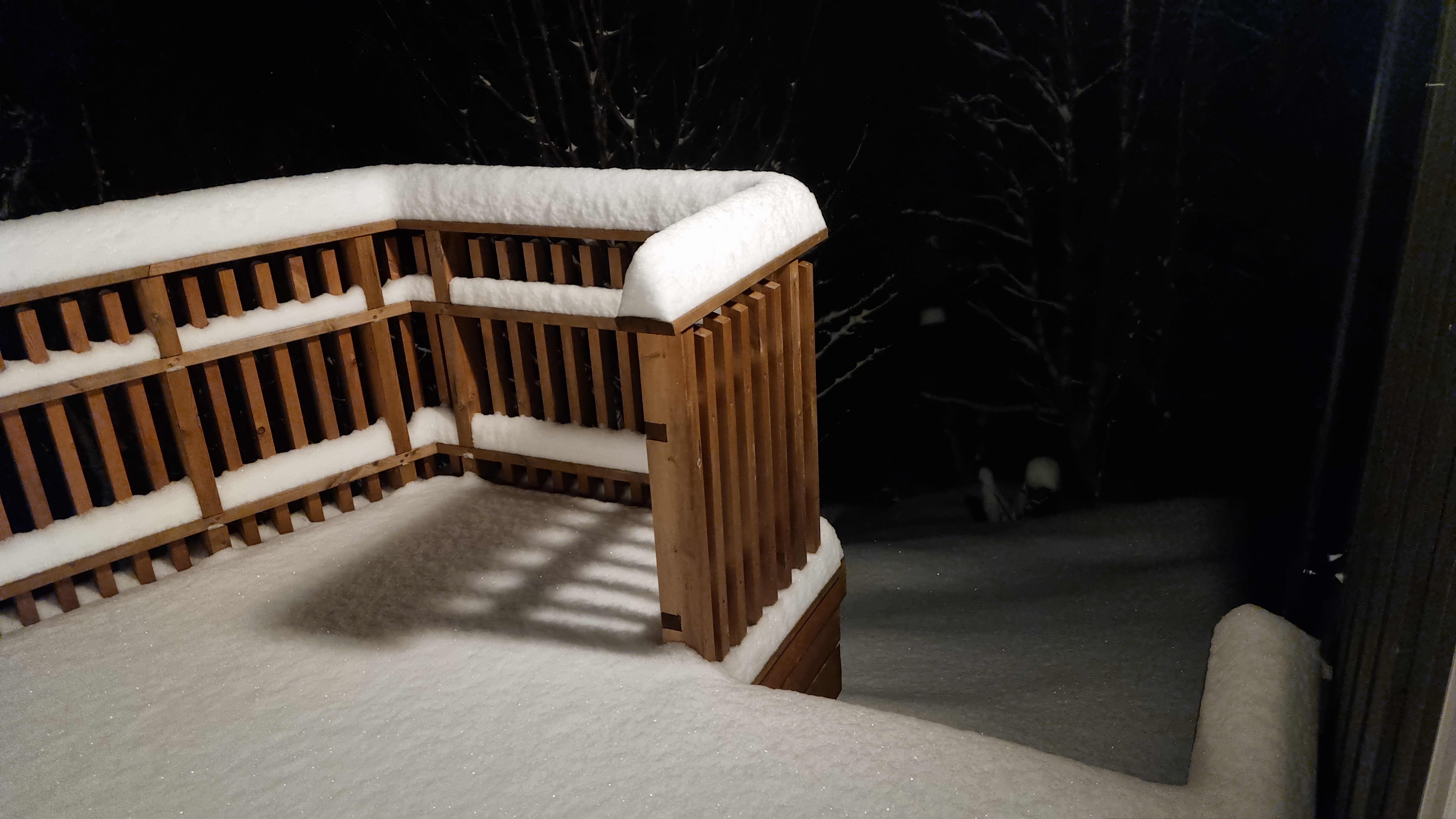
Your wood deck faces many threats in winter. Constant freezing and thawing cause stress on the wood.
To protect your deck, consider these steps:
- Apply a quality deck sealer
- Remove snow promptly
- Inspect for damage regularly
Simple actions like these can prolong your deck’s life and appearance.
Benefits of Winter Deck Maintenance
Regular winter maintenance is vital for your deck’s health. It prevents small issues from turning into big problems.
Maintaining your deck involves cleaning and inspecting it. By doing so, you preserve its structural integrity.
Additionally, maintenance reduces repair costs over time. Consequently, your deck remains a valuable part of your home.
Presidential Shingle Oil is a great way to seal a deck for winter.
Presidential Shingle Oil offers excellent protection for wooden decks. It effectively seals wood, safeguarding it from harsh winter conditions.
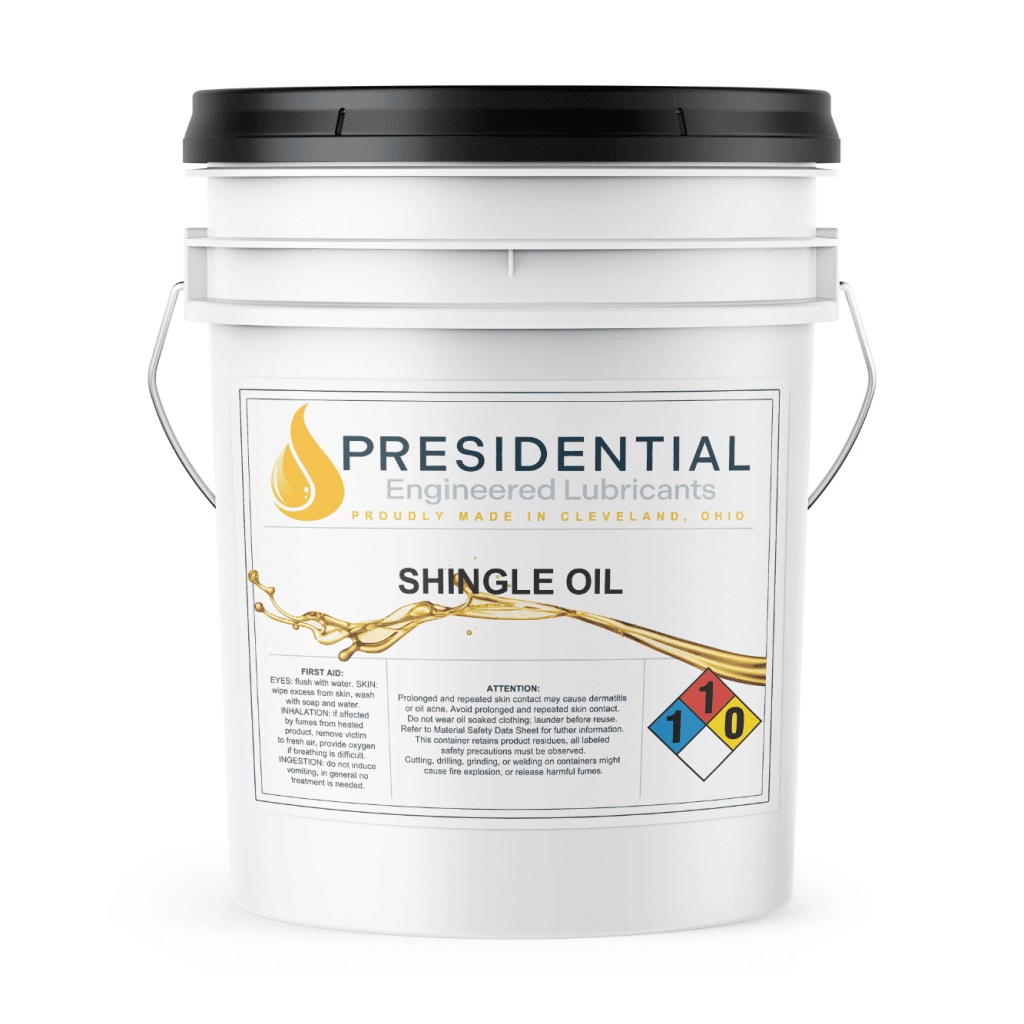
PRESIDENTIAL SHINGLE OIL
Presidential Shingle Oil is a professional-grade oil sealer for wood designed to protect, preserve, and enhance the longevity of outdoor wooden surfaces in any climate. Whether you’re maintaining cedar shake roofs, log homes, wood siding, fences, decks, or garden structures, this premium exterior wood sealer delivers exceptional performance in sealing and waterproofing, making it an ideal choice for both residential and commercial projects.
Sealing vs Staining a Deck
Choosing between sealing and staining your deck can be confusing. Each option offers distinct benefits. Sealing focuses on creating a protective barrier. In contrast, staining enhances color while offering some protection.
Sealers penetrate wood surfaces to block moisture. They are clear or lightly tinted. Meanwhile, stains add color and sometimes protection, though less effectively against moisture.
Consider these factors when deciding:
- Protection level needed
- Desired appearance
- Weather conditions in your area
Ultimately, both options provide benefits but cater to different needs. Make a choice based on your climate and aesthetic preferences.
Understanding the Differences
Sealing and staining have unique characteristics. Here’s a quick breakdown:
- Sealing:
- Focuses on moisture resistance and UV resistance
- Maintains wood’s natural look
- Staining:
- Adds color
- Provides some sealing benefits
Knowing these differences helps you choose wisely.
Which is Better for Winter Protection?
For winter, sealing is often superior. It delivers strong moisture resistance. In harsh climates, its protective qualities make all the difference.
Sealing is the better way to protect.
Sealing guards against winter’s worst. It keeps moisture out and preserves wood integrity. For winter defense, sealing is the clear winner.
Best Deck Sealants for Winter
Choosing the best sealant is crucial for deck protection. There are many options, each with unique benefits. The goal is to safeguard your deck against winter elements.
Consider sealants that offer excellent durability and water resistance. Look for products designed to withstand freezing conditions. Here are some top picks:
- Oil-based sealers: Penetrate deeply for enduring protection.
- Waterproof sealers: Form a barrier that repels moisture.
- Eco-friendly choices: Minimize environmental impact while protecting your deck.
Selecting the right product ensures your deck stays in great shape through winter.
Oil Based Deck Sealers
Oil-based sealers provide deep penetration. They create a strong defense against water and decay. Ideal for challenging climates.
Waterproof Deck Sealers
Waterproof sealers form a protective barrier. They prevent moisture from entering the wood. Essential for winter durability.
Eco-Friendly Options
Eco-friendly sealers offer protection with low environmental impact. These options are great for sustainability-minded homeowners.
Presidential Shingle Oil is all of these
Presidential Shingle Oil combines all these benefits. It offers excellent protection with minimal environmental impact.
How to Seal a Deck for Winter
Sealing your deck for winter involves careful preparation and precise application. This process preserves your deck’s integrity and beauty through winter’s harsh conditions. Here’s how to get started:
Begin with a thorough inspection and cleaning. Remove dirt, grime, and debris for the best results. Following the right steps ensures the sealer performs optimally and maximizes protection.
Preparation Steps
Proper preparation is crucial. Here’s what you need to do:
- Clean the deck thoroughly
- Sand rough areas
- Repair any damage
- Ensure all surfaces are dry
Application Process
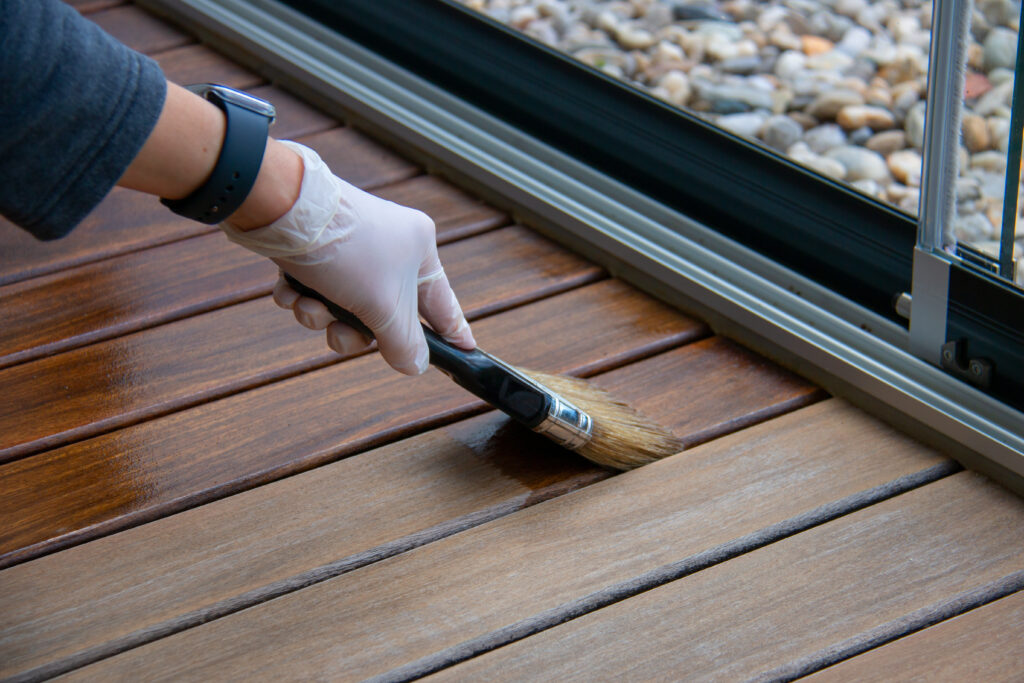
Apply the deck sealer evenly using a brush, sprayer, or roller. Work in small sections for thorough coverage and swift completion.
Timing for Sealing: When to Seal
Choose a dry day for sealing. Fall is ideal, as temperatures are mild, allowing the sealer to set properly. Most wood sealers apply best in outdoor temperatures ranging between 50°F and 90°F. Ensure rain is not forecasted for 24-48 hours following sealing.
Watch Our How-To Video:
Watch our how-to video on how to seal wood surfaces using Presidential Shingle Oil.
Protecting Your Deck from Snow and Ice
Snow and ice can severely harm your deck if left unchecked. Regular maintenance minimizes risk and prolongs your deck’s life. Consider implementing protection strategies to safeguard your deck during harsh weather conditions.
Keeping snow and ice off your deck helps prevent damage. Here’s a quick guide to effective protective measures you can employ:
- Use breathable covers or tarps
- Apply an ice melt that is safe for wood
- Regularly clear snow buildup
Effective Winter Cover Solutions
Invest in breathable winter covers. These shield your deck, reducing moisture accumulation while allowing air circulation.
Removing Snow Safely: Do you have to shovel?
Yes, you should regularly shovel your deck. Use a plastic shovel to prevent scratches and maintain the wood’s condition.
Conclusion
Sealing your deck before winter hits is a wise investment. It shields your deck from snow, ice, and moisture.
Prioritizing deck maintenance can save money on repairs and enhance your home’s value. Protecting your deck ensures it remains beautiful and strong throughout the winter months. Sealing your deck for the winter can save you big in the long run.