 Contact
 Account
Is Fall Too Late for Shingle Oil Application?
Introduction
Across some regions of the United States, fall temperatures have already crept their way into daily life. Fall is not automatically too late to apply shingle oil, but the product’s instructions, not the calendar, determine whether you can proceed. You need suitable temperatures, properly prepared dry wood, and enough weather protection after application.
Can you still apply shingle oil in fall?
Yes, a fall shingle oil application can be reasonable when the selected product permits the expected conditions throughout application and its required drying period. A warm afternoon alone is not enough. Check overnight temperatures, approaching rain, and the condition of the wood before deciding that a weekend is suitable.
Think of the job as a weather window with three parts: preparation, application, and drying afterward. Cleaning may introduce water that must dry out before treatment begins. Once the finish is applied, its instructions may require continued protection from moisture and temperatures below a specified minimum.
That makes the decision practical rather than seasonal. Before opening the container, ask:
- Is this exact product suitable for the wood species and project?
- Can the wood become sufficiently dry after cleaning?
- Will temperatures stay within the required limits afterward?
- Is there enough rain-free time to meet the manufacturer’s directions?
If any answer is uncertain, resolve it before starting rather than relying on the afternoon forecast.
What shingle oil application temperatures are suitable?
Presidential Shingle Oil has a recommended application temperature of between 50-90°F (10-32°C). There is no universal temperature range for every product sold as shingle oil or exterior wood oil. Follow the label and technical data sheet for the exact formulation you purchased, including any requirements for surface temperature and conditions after application. Do not transfer a temperature limit from one brand or product to another.
Dry wood matters as much as warm air
A suitable forecast cannot compensate for damp wood or a surface that will not accept a penetrating finish. Exterior wood must be prepared according to its condition and the selected coating. Dirt, mildew, loose fibers, and incompatible previous finishes can all require attention before application.
Avoid using a fixed waiting period as proof that wood is ready. There are different instructions for different products, not interchangeable shortcuts.
Use this preparation checklist BEFORE application:
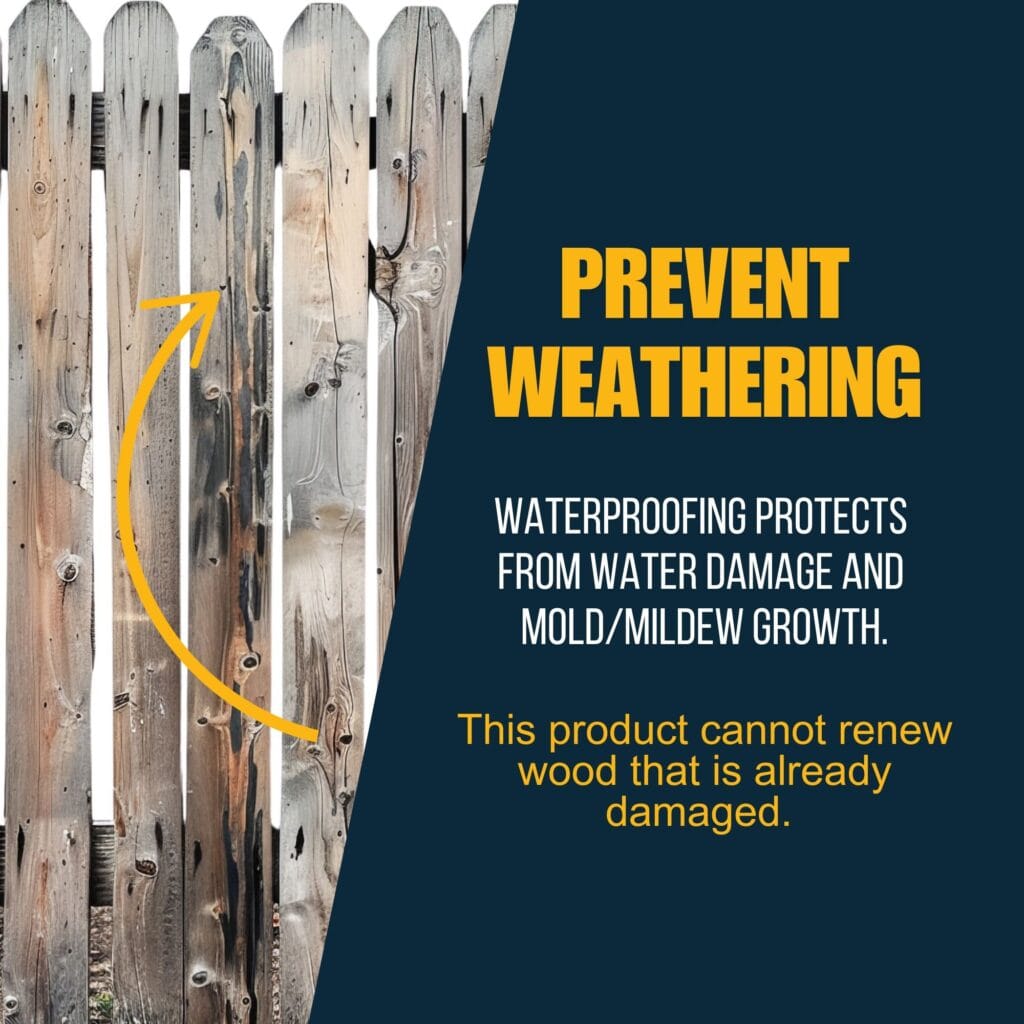
- Inspect the wood. Identify damaged areas before investing time in finishing. Oil is not a repair; Presidential explicitly states that its shingle oil will not renew weather-damaged wood.
- Identify the existing finish. A penetrating treatment may require removal of an old film-forming coating. Residual paint can inhibit absorption.
- Clean with the specified method. Remove contaminants without unnecessarily damaging the surface, then allow it to dry completely.
- Test a small area. Check compatibility, appearance, and drying before committing to the whole project.
Apply the same planning to other outdoor wood projects
The weather-window approach extends beyond shingles to decks, fences, siding, pergolas, sheds, gates, trim, and outdoor furniture. What does not transfer automatically is the product choice. For each project, check the intended-use list, wood compatibility, preparation requirements, and existing finish before deciding that the same oil will work everywhere. Manufacturer instructions and cedar-industry guidance both emphasize matching the finish to the application.
Decks, steps, and outdoor furniture
Choose a finish intended for the particular surface, especially where people walk or sit. A product being suitable for outdoor wood does not remove the need to follow its coverage and coat limits.
Do not add extra oil simply because winter is approaching. Overapplication of oil can leave a waxy, sticky, or slick surface and interfere with drying. Follow the specified application rate rather than treating a heavier coat as extra protection.
Fences, siding, pergolas, and garden structures
For upright woodwork, plan manageable sections and logical stopping points. Back-brush after spraying or rolling.
Use that guidance alongside, not instead of, the manufacturer’s directions. A fence, shed, and unfinished pergola may need different preparation even when they share the same yard and weather forecast. Check each existing surface before grouping several projects into one fall session.


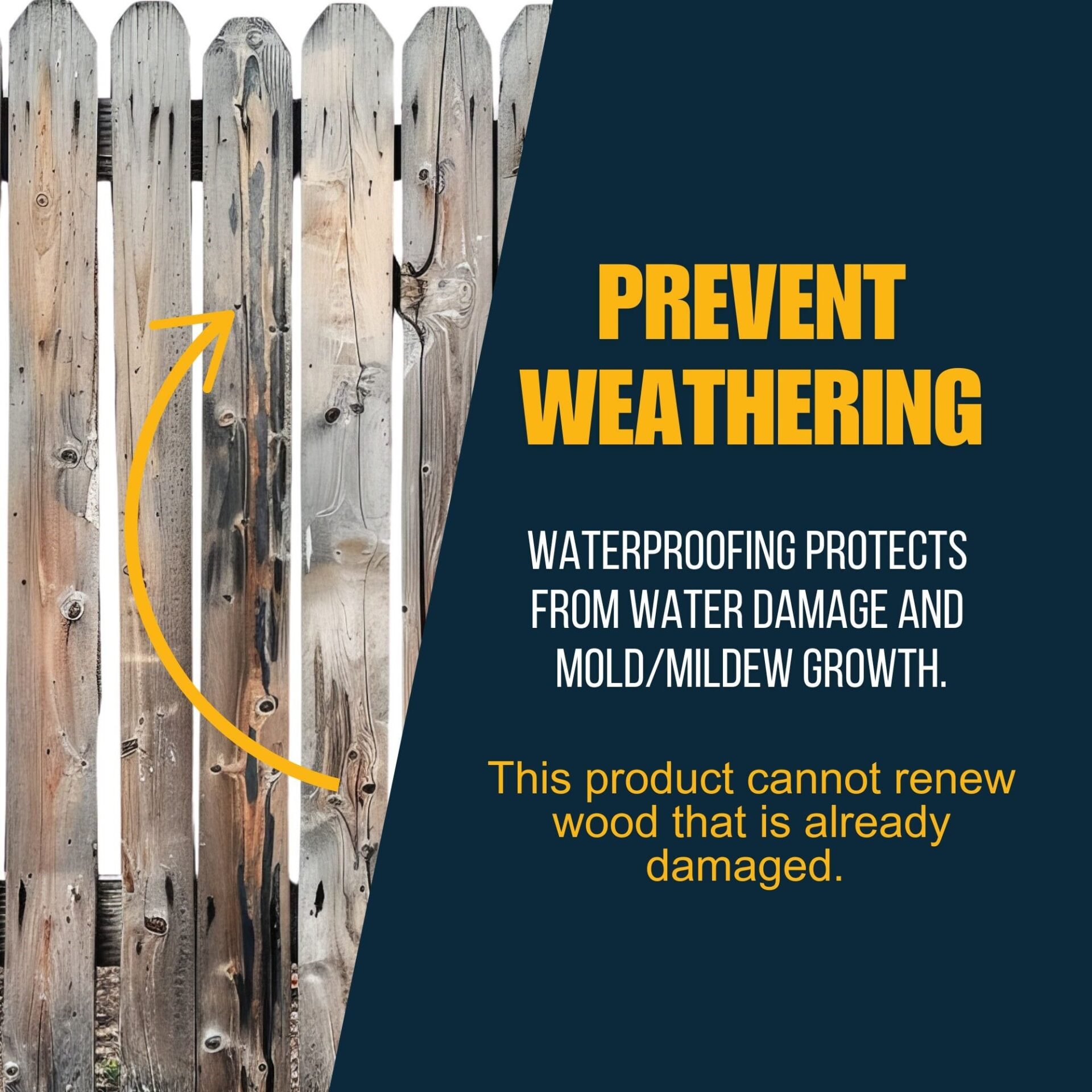



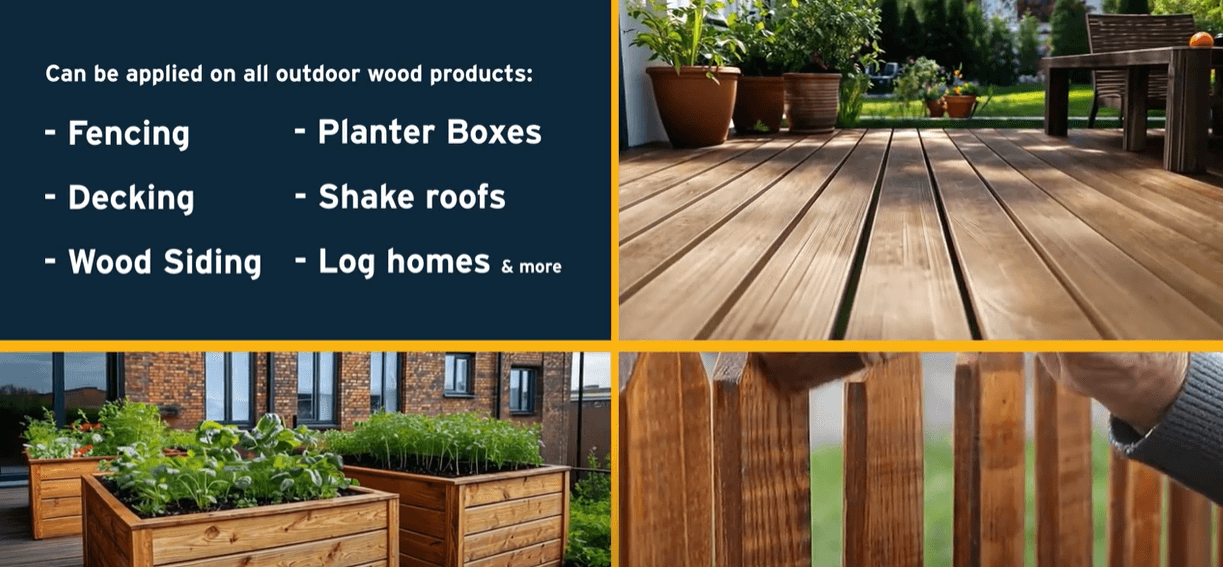
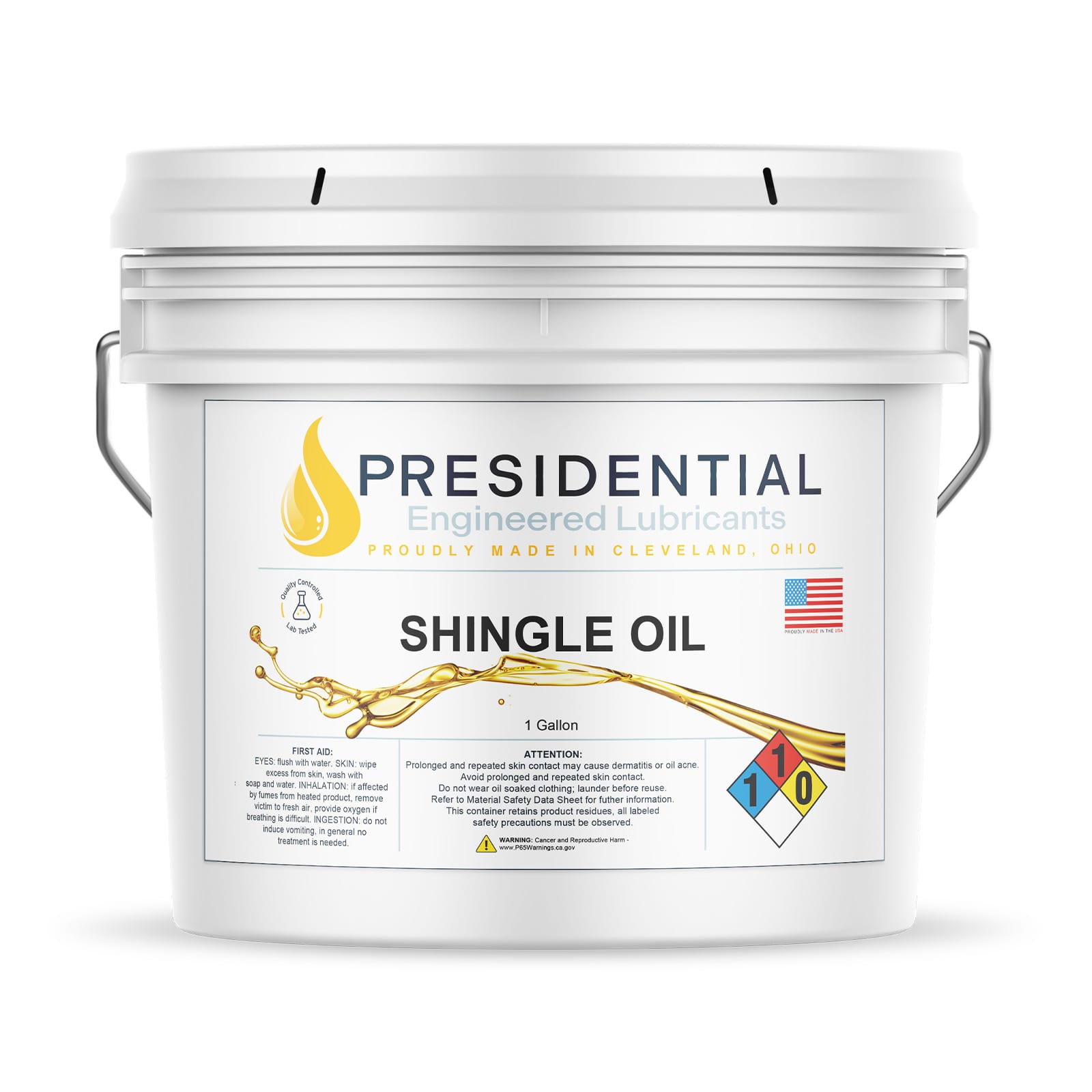

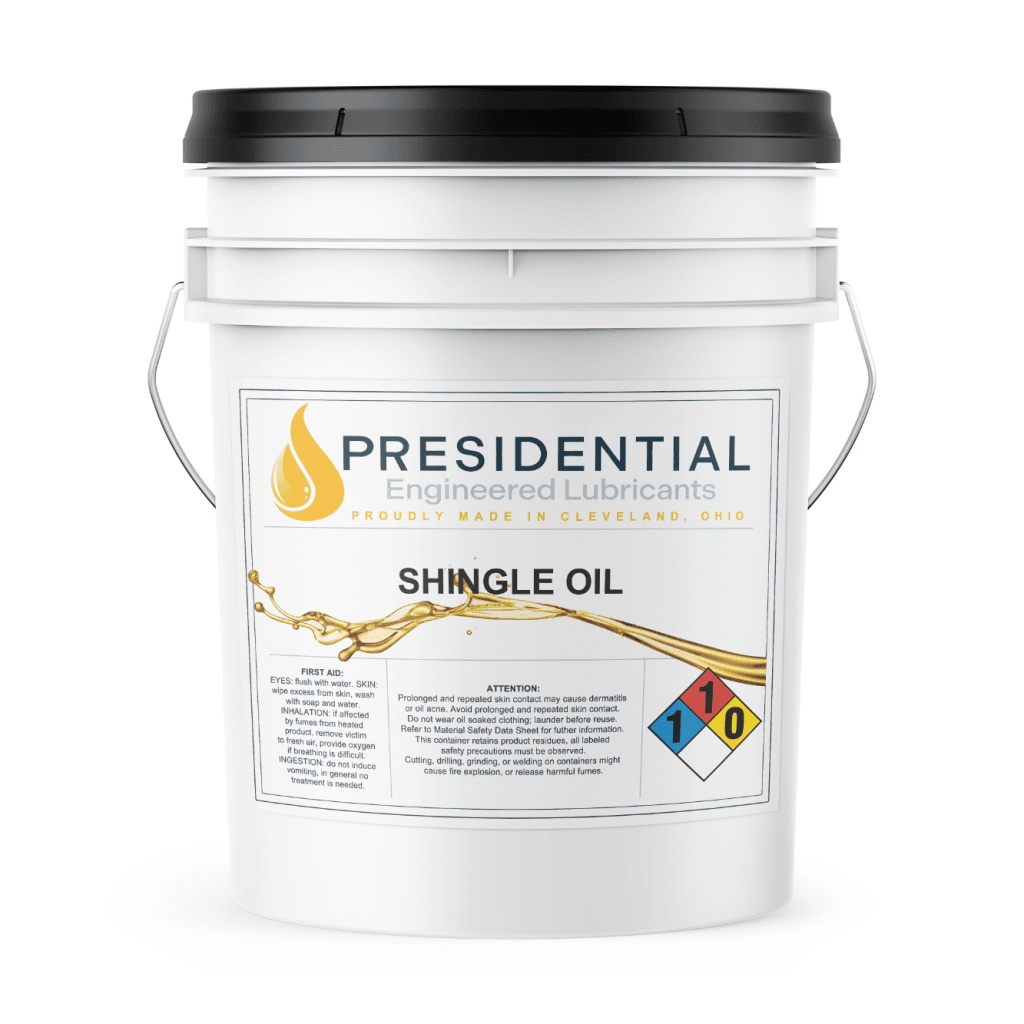
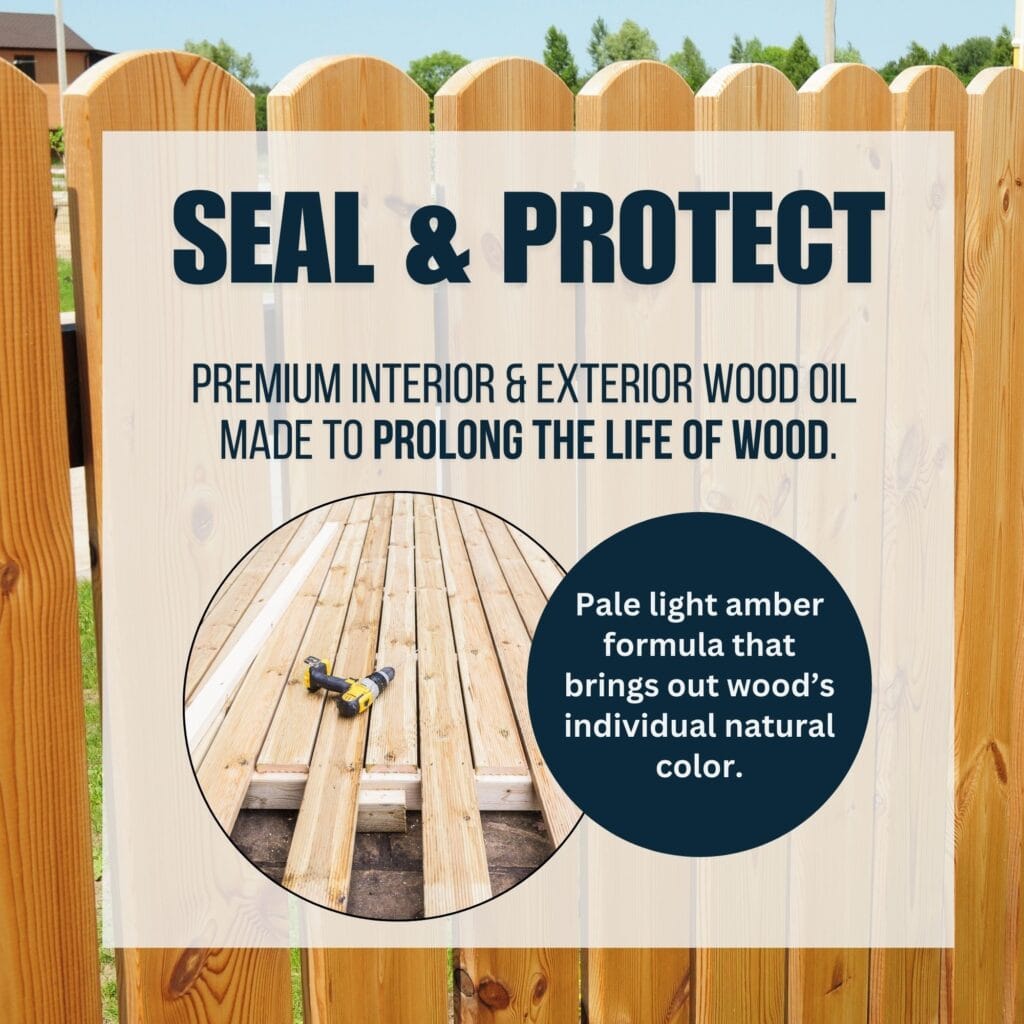




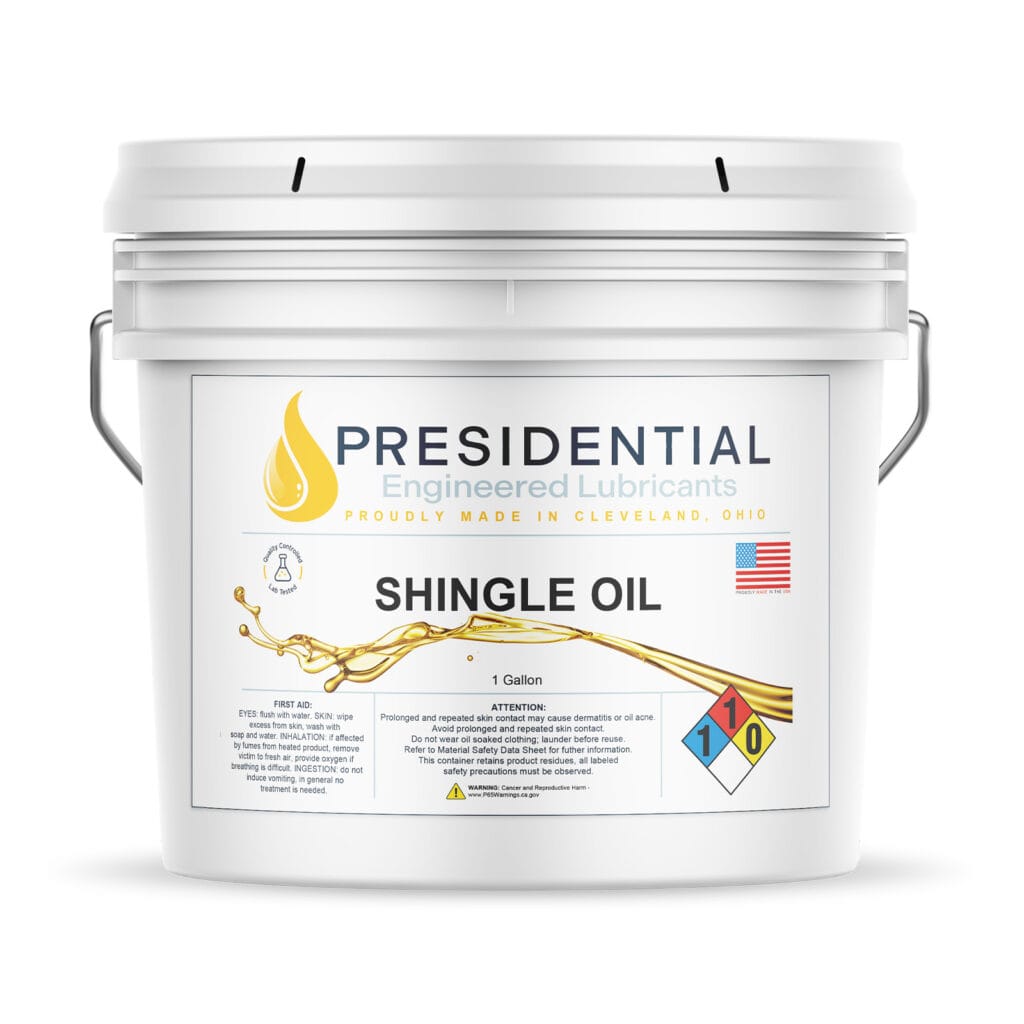
PRESIDENTIAL SHINGLE OIL
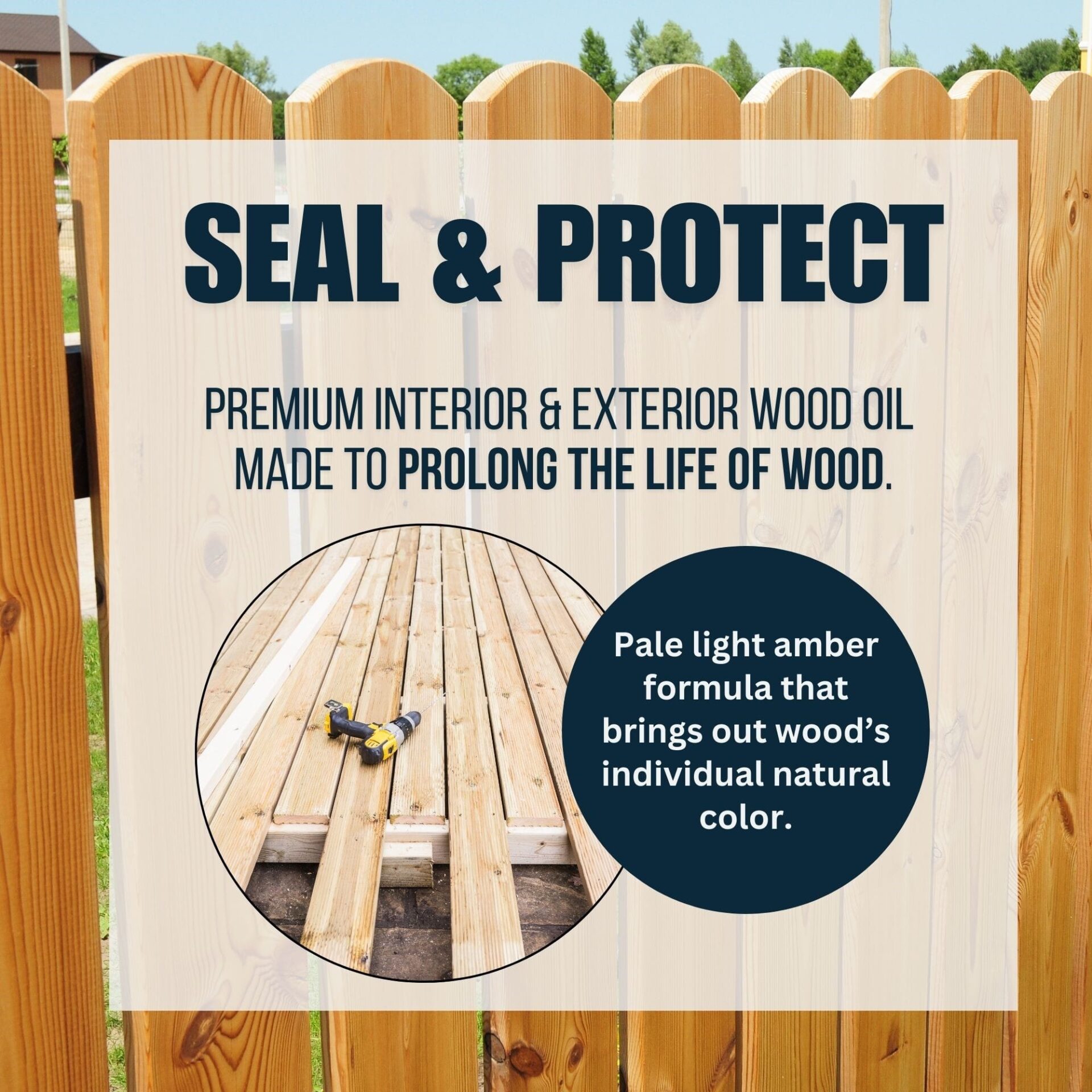
Presidential Shingle Oil is a professional-grade oil sealer for wood designed to protect, preserve, and enhance the longevity of outdoor wooden surfaces in any climate. Whether you’re maintaining cedar shake roofs, log homes, wood siding, fences, decks, or garden structures, this premium exterior wood sealer delivers exceptional performance in sealing and waterproofing, making it an ideal choice for both residential and commercial projects.
When is waiting until spring the better choice?
Waiting is the better choice when you cannot meet the selected product’s requirements for dry wood, application temperature, or protection afterward. That is a scheduling judgment based on the instructions, not a claim that leaving every wood surface untreated is harmless. Repairs and moisture-management problems still deserve attention.
If the finishing window has closed, shift your effort toward inspection and maintenance. For cedar roofs, arrange necessary repairs and appropriate debris removal rather than substituting an unsuitable coating. For other outdoor wood, record areas needing preparation and recheck their condition before refinishing; do not assume fall cleaning eliminates the need for a spring assessment.
Keep cleanup safety on the plan, too. Some oil-soaked rags and application waste can spontaneously ignite. Follow the product’s disposal instructions immediately rather than leaving used materials piled together while you finish the job.
Let conditions, not the calendar, make the decision
Fall can offer a workable finishing window, but only when the product, surface, and forecast agree. Confirm roof compatibility for cedar shakes, match other finishes to their intended outdoor projects, and allow the complete preparation and drying schedule. If those requirements cannot be met, postpone the coating, not necessary maintenance, and return when conditions support the job.